RPM Implementation Timeline: From Vendor Selection to Go-Live in 2027
A research-style breakdown of the RPM implementation timeline, from strategic planning and vendor selection to EHR integration, staff training, and go-live by 2027.
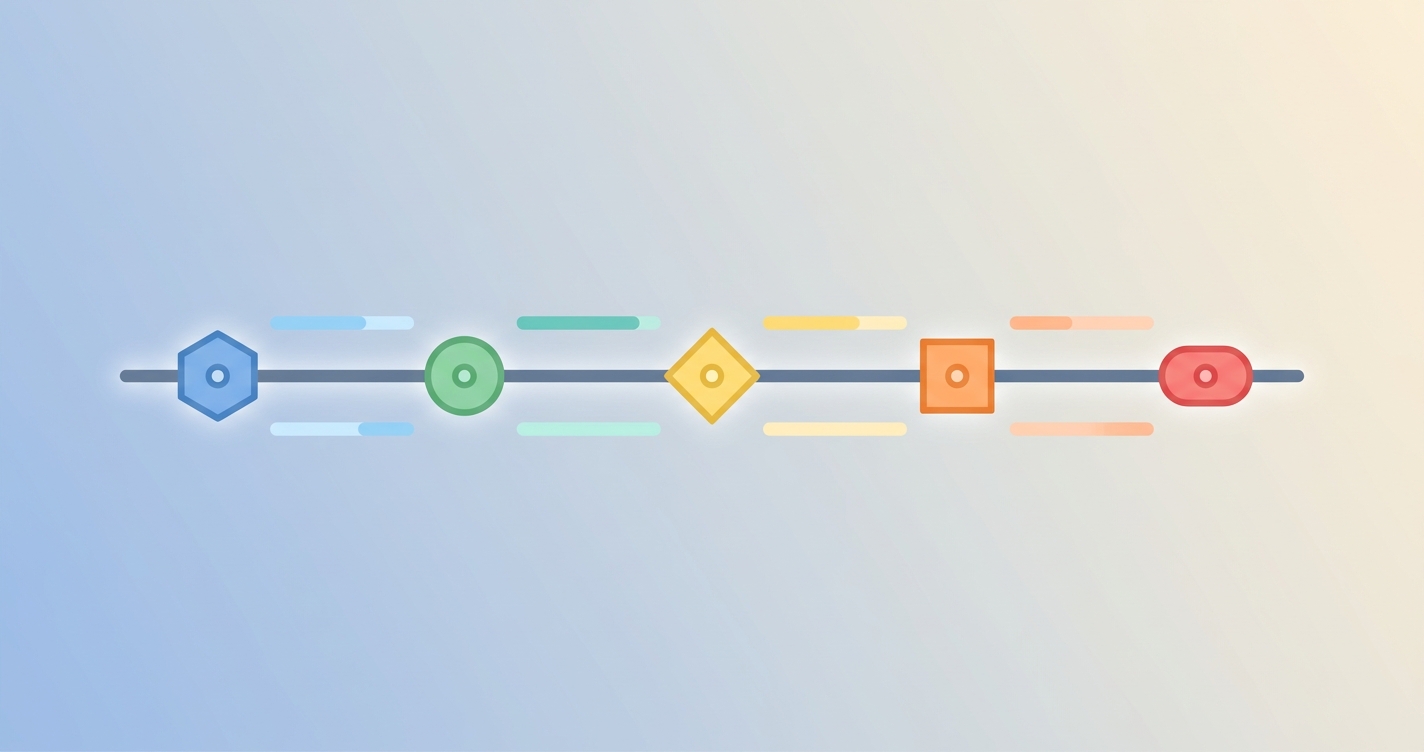
The operational complexity of launching a Remote Patient Monitoring (RPM) program requires a methodical, multi-stage approach, particularly for health IT directors and EHR integration teams. The journey from initial vendor discussions to a fully operational, integrated system is not a brief one. Industry analysis indicates that while some lightweight programs can be deployed in months, a robust, enterprise-grade RPM implementation timeline, from vendor selection to go-live, often extends from 12 to 24 months. This strategic window is essential for navigating the technical, clinical, and administrative hurdles, ensuring the program's long-term success and scalability into 2027 and beyond.
"A 2023 survey of healthcare leaders highlighted that 'missing integration' was a top challenge in EHR projects, with overall customer satisfaction declining since 2022. This highlights the critical need for a deliberate and integration-focused approach to RPM implementation."
Deconstructing the RPM implementation timeline
A successful RPM deployment is a project of significant technical and clinical scope. For health IT leaders, understanding the distinct phases is crucial for resource allocation, setting realistic expectations, and managing stakeholder alignment. The complete rpm implementation timeline from vendor selection to go live involves more than just procuring devices; it's about weaving a new data stream into the fabric of clinical care and EHR workflows.
The process begins long before a contract is signed. The initial phase involves internal strategic planning, where clinical and IT teams must define the program's objectives. What patient populations will be monitored? Which chronic conditions are being targeted? What are the key performance indicators (KPIs) for success? This stage, which can take 2-3 months, is foundational. It culminates in the creation of a detailed requirements document that will guide the vendor selection process.
Following internal alignment, the vendor selection phase can take another 3-6 months. This involves market research, issuing Requests for Proposals (RFPs), attending vendor demonstrations, and conducting due diligence on technical capabilities, security protocols, and integration depth. The final stage is contract negotiation, which must be carefully reviewed by legal, financial, and IT departments.
Once a vendor is selected, the core implementation work begins, a phase that typically spans 6-12 months. This is where the bulk of the technical and operational effort lies. It includes project kickoff, forming governance committees, configuring the platform, and the critical path of EHR integration. Data migration, device logistics, and comprehensive testing cycles (unit, integration, and user acceptance testing) are all part of this intensive period. The go-live is not the end but a pivotal milestone leading into a phase of optimization and support.
| Phase | Key Activities | Typical Duration | Primary Stakeholders |
|---|---|---|---|
| Phase 1: Strategy & Planning | Define program goals, target populations, KPIs, form governance committee, develop RFP. | 2-3 Months | Clinical Leadership, Health IT, Finance |
| Phase 2: Vendor Selection | Market research, RFP process, vendor demos, technical due diligence, contract negotiation. | 3-6 Months | Health IT, Procurement, Legal |
| Phase 3: Implementation & Integration | Project kickoff, system configuration, EHR integration (HL7 FHIR), testing, device provisioning. | 6-12 Months | Health IT, EHR Integration Teams, Vendor |
| Phase 4: Training & Go-Live | Develop training materials, train clinical staff and super-users, patient onboarding protocols. | 2-3 Months | Clinical Operations, Training Dept. |
| Phase 5: Post-Launch & Optimization | Hypercare support, monitor data quality, refine workflows, measure outcomes, scale program. | Ongoing | All Stakeholders |
Industry applications and workflow integration
The true value of an RPM program is realized when its data is seamlessly integrated into existing clinical workflows. For health IT and telehealth operations teams, the focus must be on how RPM data informs care decisions within the EHR, not in a separate, siloed dashboard.
### EHR and Data Workflow
The most critical technical component of the rpm implementation timeline from vendor selection to go live is the integration with the health system's EHR. Modern implementations should prioritize vendors that support HL7 FHIR (Fast Healthcare Interoperability Resources) standards. A FHIR-based integration allows for discrete vital signs data to flow directly into the patient's chart, often into specific flowsheets (e.g., Epic Flowsheets). This avoids manual data entry, reduces the risk of error, and makes the RPM data actionable for clinicians within their native environment. According to 2023 reports, only about 30% of hospitals have achieved this level of full, seamless integration, making it a key differentiator in vendor selection.
### clinical staff training and adoption
A system is only as good as the team using it. A significant portion of the implementation timeline must be dedicated to change management and training. This involves:
- Developing role-specific training for clinicians, care managers, and IT support staff.
- Establishing clear protocols for responding to alerts and out-of-range readings.
- Creating documentation and support channels for both staff and patients.
- Identifying clinical champions and super-users to drive adoption and provide peer support.
### patient onboarding and support
The patient experience is critical. The implementation plan must include a clear, scalable process for enrolling patients, provisioning them with devices, and providing technical support. This workflow needs to be designed for accessibility, considering patients with varying levels of digital literacy. A strong vendor partner will offer robust support services to offload this burden from the internal IT helpdesk.
Current research and evidence
The efficacy of RPM is well-documented, but recent studies have focused on the operational components of successful programs. Research from KLAS in their "Remote Patient Monitoring 2022" report highlights that while many organizations report success in reducing hospital admissions, these outcomes are directly tied to the maturity of their implementation. The report notes that challenges like "poor EMR integration" and "unengaged support personnel" are common hurdles. This research, conducted by KLAS analysts, emphasizes that technology alone does not guarantee results; the implementation process and workflow integration are where value is created. A 2021 study published in the Journal of Medical Internet Research by researchers from the University of Pittsburgh found that the most successful RPM programs were those with strong clinical leadership and a dedicated project manager who could navigate the complexities of both the technology and the clinical environment.
The future of RPM implementation
Looking toward 2027, the RPM implementation timeline will likely compress as technology standards and integration patterns mature. The continued adoption of HL7 FHIR APIs will be a primary driver, making EHR integration less of a custom-coded project and more of a standardized, plug-and-play process. We can also anticipate the use of AI and machine learning to become standard in RPM platforms, not just for analyzing patient data but for optimizing implementation itself. AI-driven tools may help project managers identify potential bottlenecks in the timeline, automate testing protocols, and create more personalized training modules for staff. The focus will shift from the basic technical lift of implementation to the strategic optimization of data analytics, population health integration, and automated billing and documentation workflows.
Frequently asked questions
Q: What is the single biggest factor that delays an RPM implementation timeline? A: The most significant delays in an rpm implementation timeline from vendor selection to go live typically stem from unforeseen complexities in EHR integration. A lack of standardized APIs, the need for custom development work, and extensive testing cycles can all extend the timeline if not properly scoped during the vendor selection process.
Q: How much should we budget for staff training? A: While variable, a general guideline is to allocate 10-15% of the total project implementation budget to training and change management. This includes the development of materials, the time for staff to attend sessions, and the cost of any specialized training from the vendor.
Q: Can we use multiple RPM vendors for different specialties? A: Yes, many large health systems adopt a multi-vendor strategy. However, this adds significant complexity for the health IT team. If pursuing this path, it is critical to have a central data aggregation strategy using a platform that can ingest and normalize data from various sources via HL7 FHIR standards to present a unified view within the EHR.
As health systems plan their technology roadmaps for 2027 and beyond, a strategic, well-planned RPM implementation is a critical component for extending care beyond the hospital walls. Circadify is focused on addressing the core integration challenges in this space. By providing HL7 FHIR-compatible RPM data streams, we help health IT teams simplify the rpm implementation timeline from vendor selection to go live and accelerate the delivery of clinical value. To learn more about our integration-first approach, explore our documentation and EHR guides at circadify.com/solutions/telehealth.