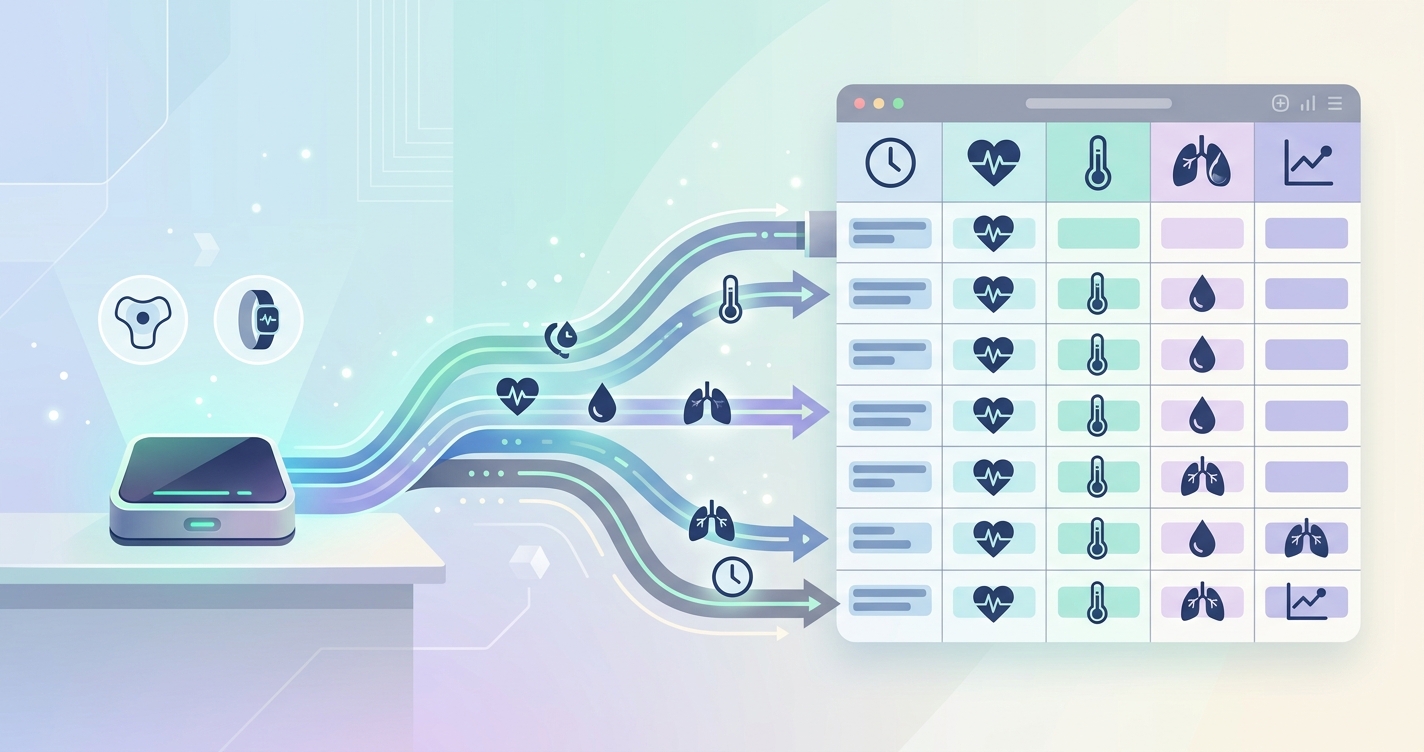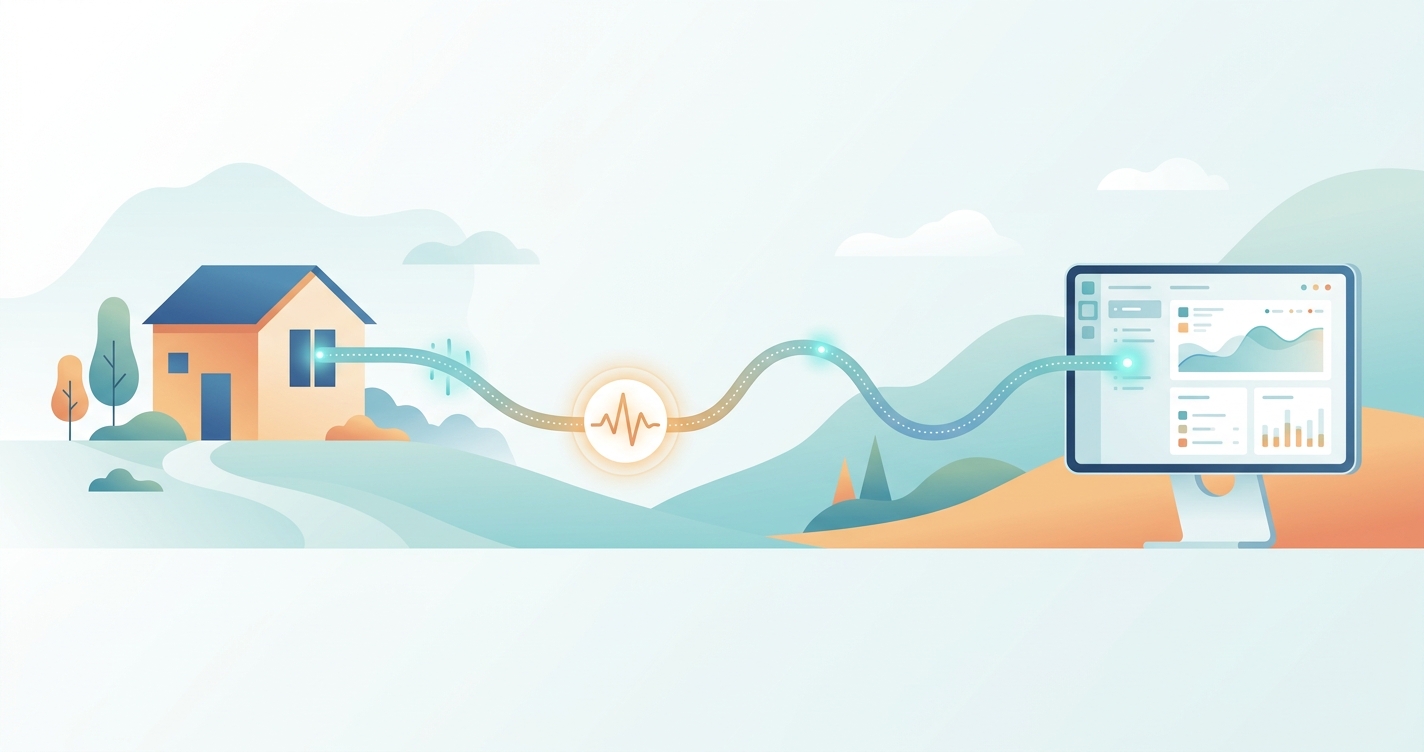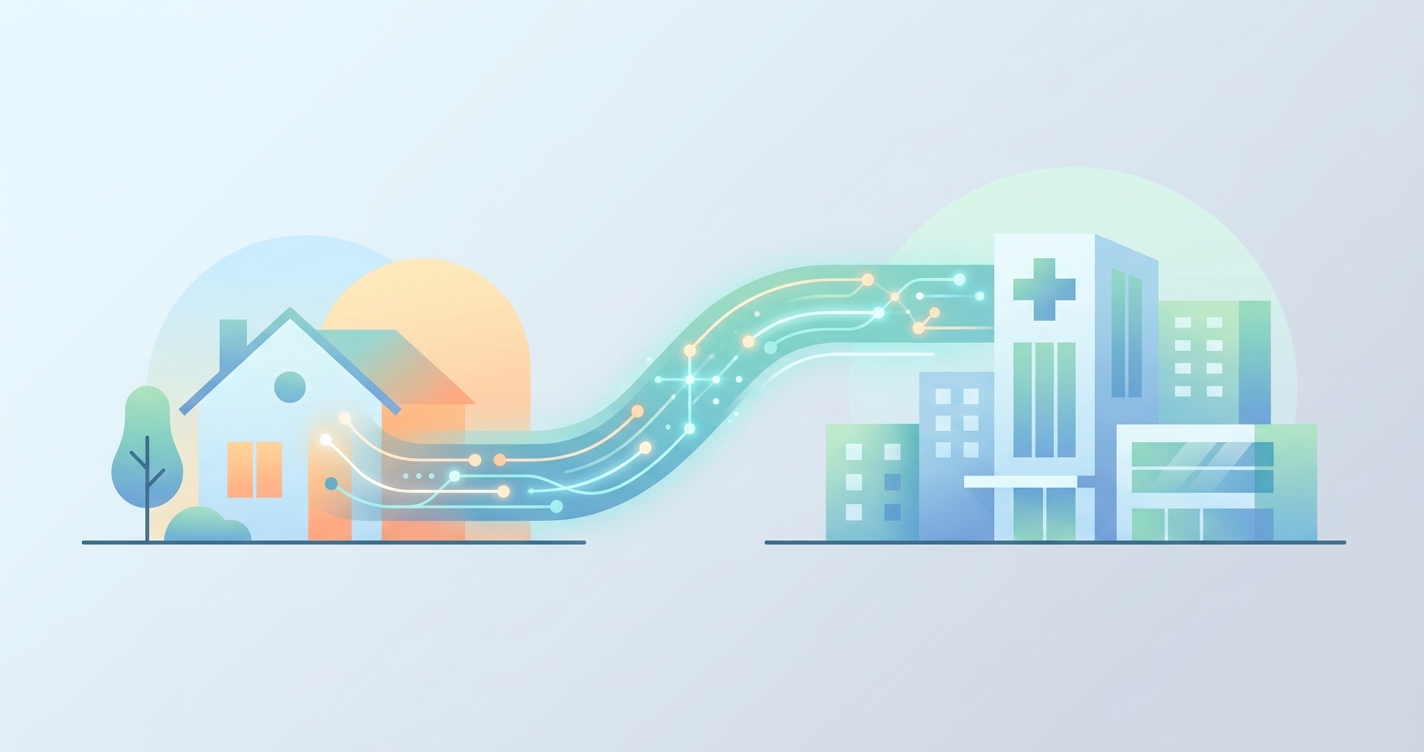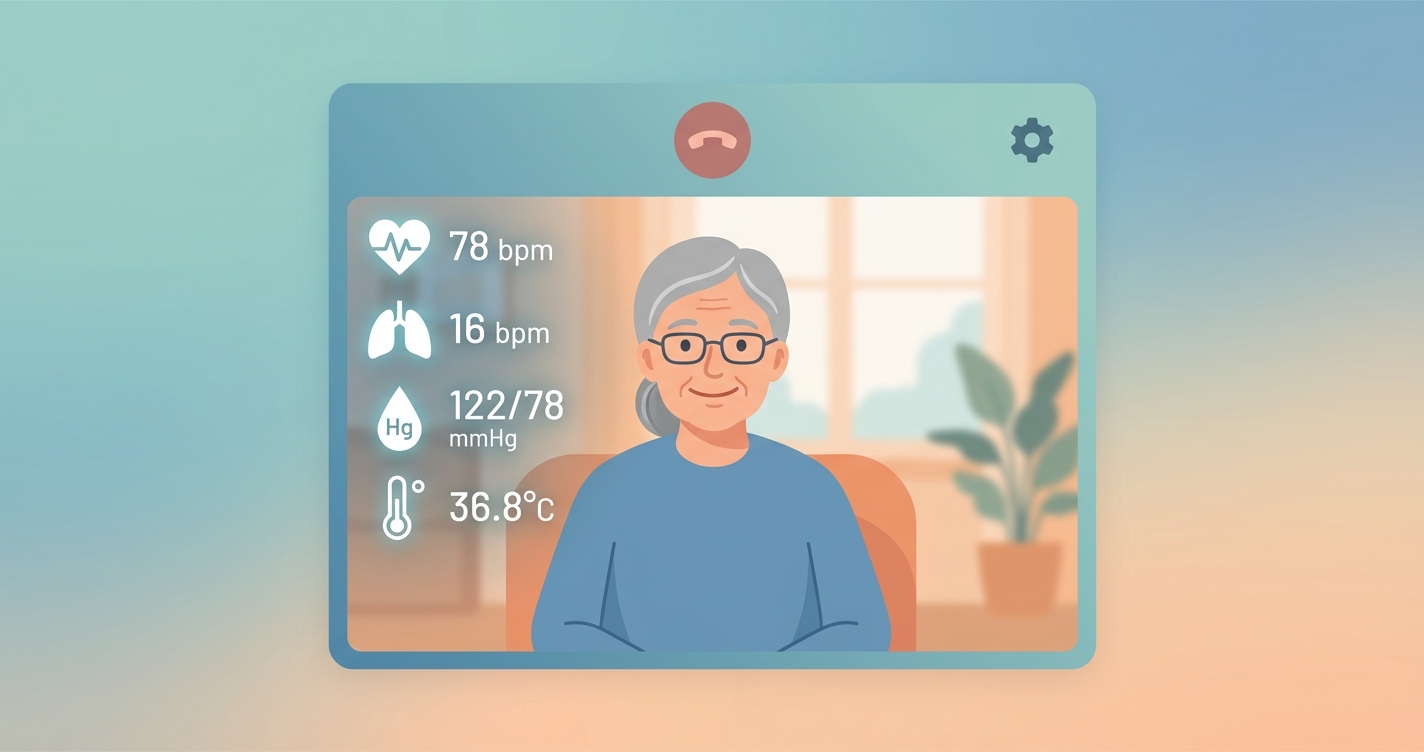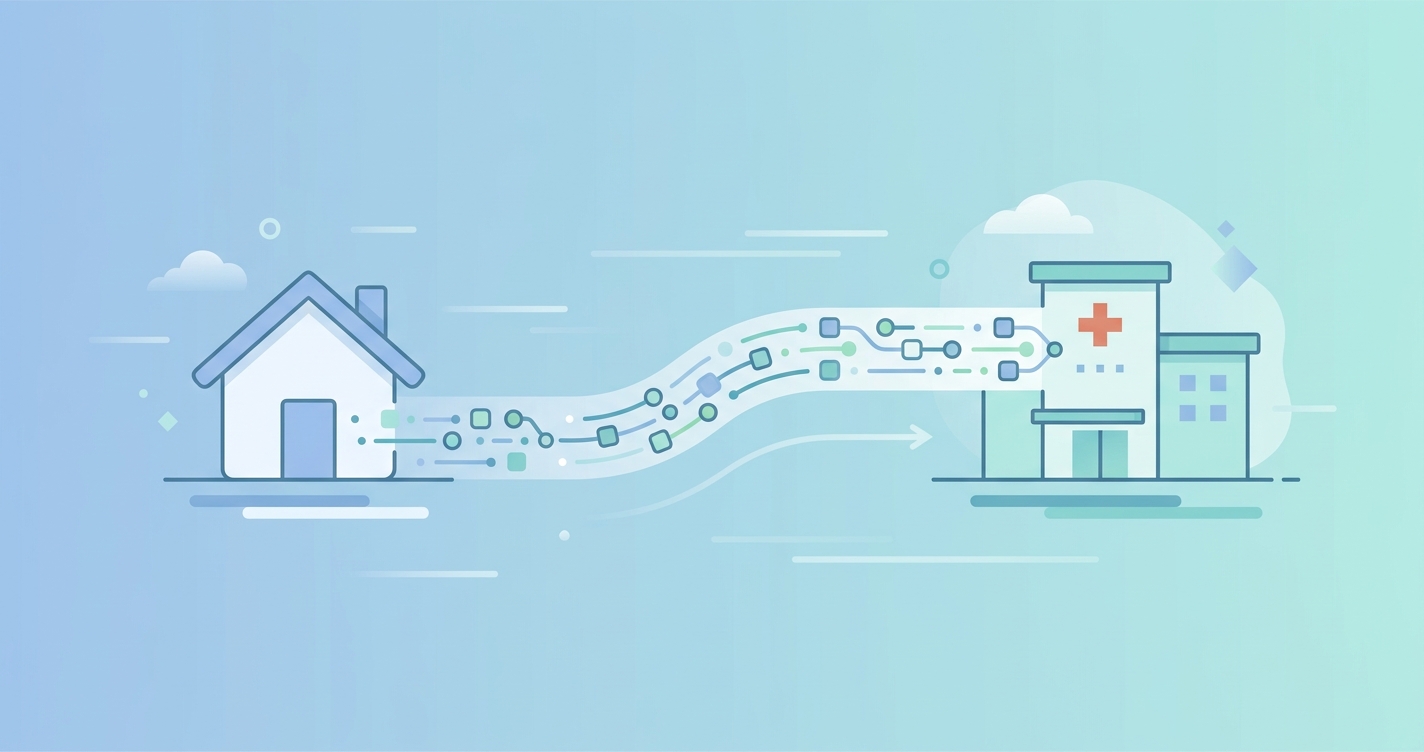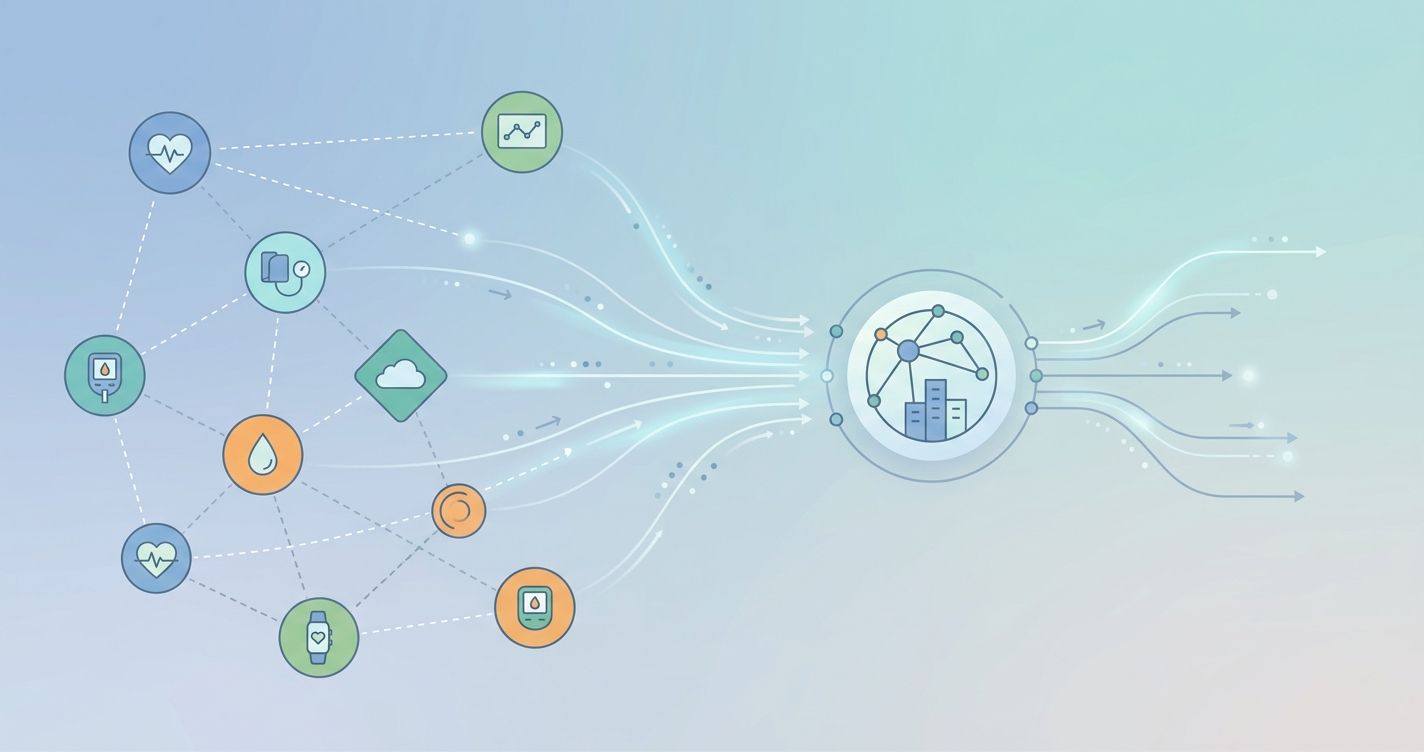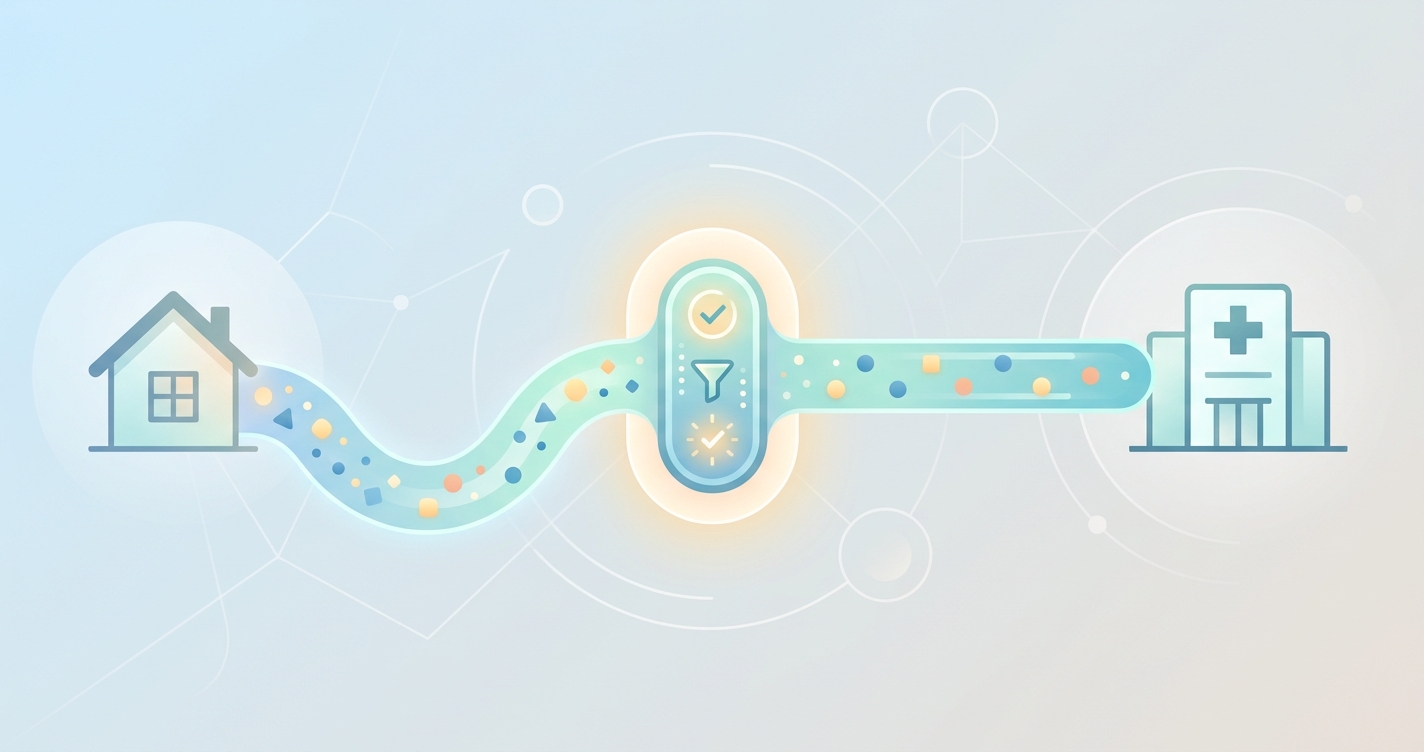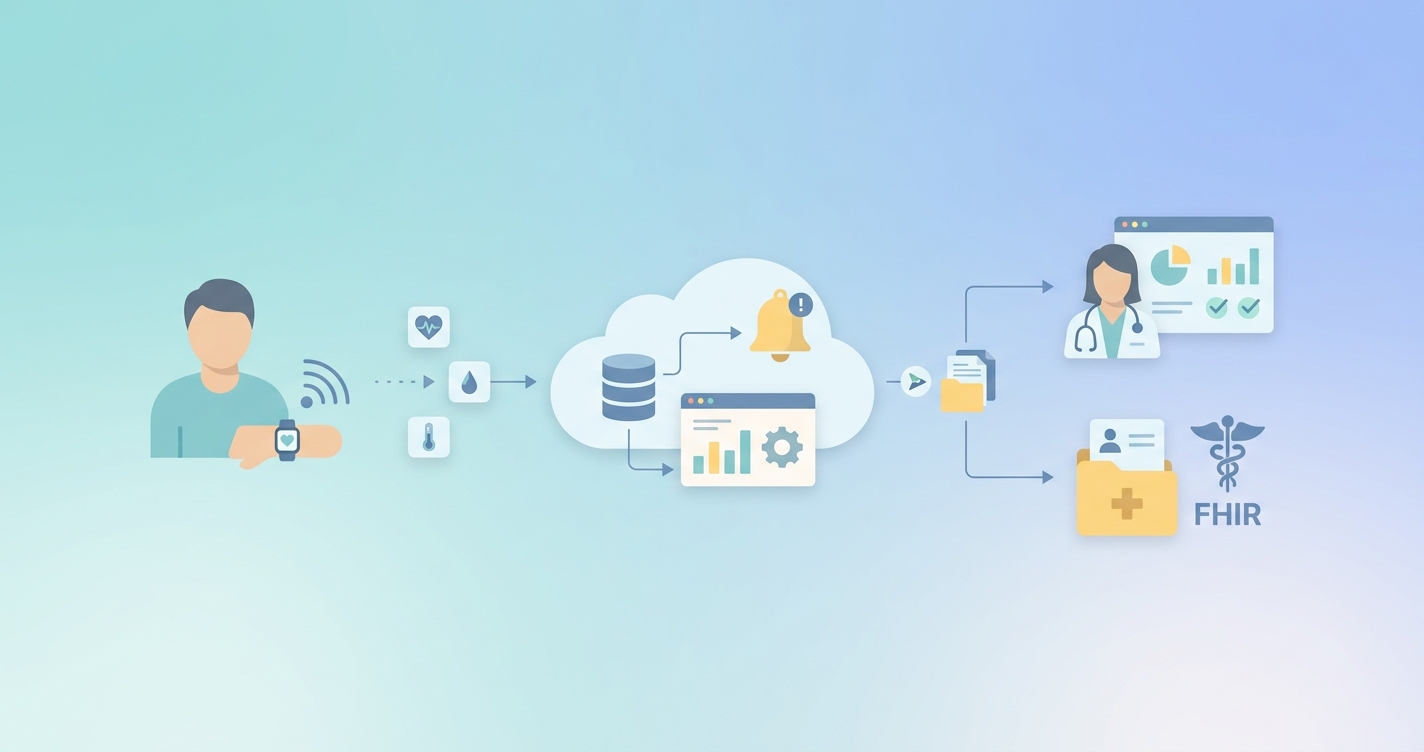
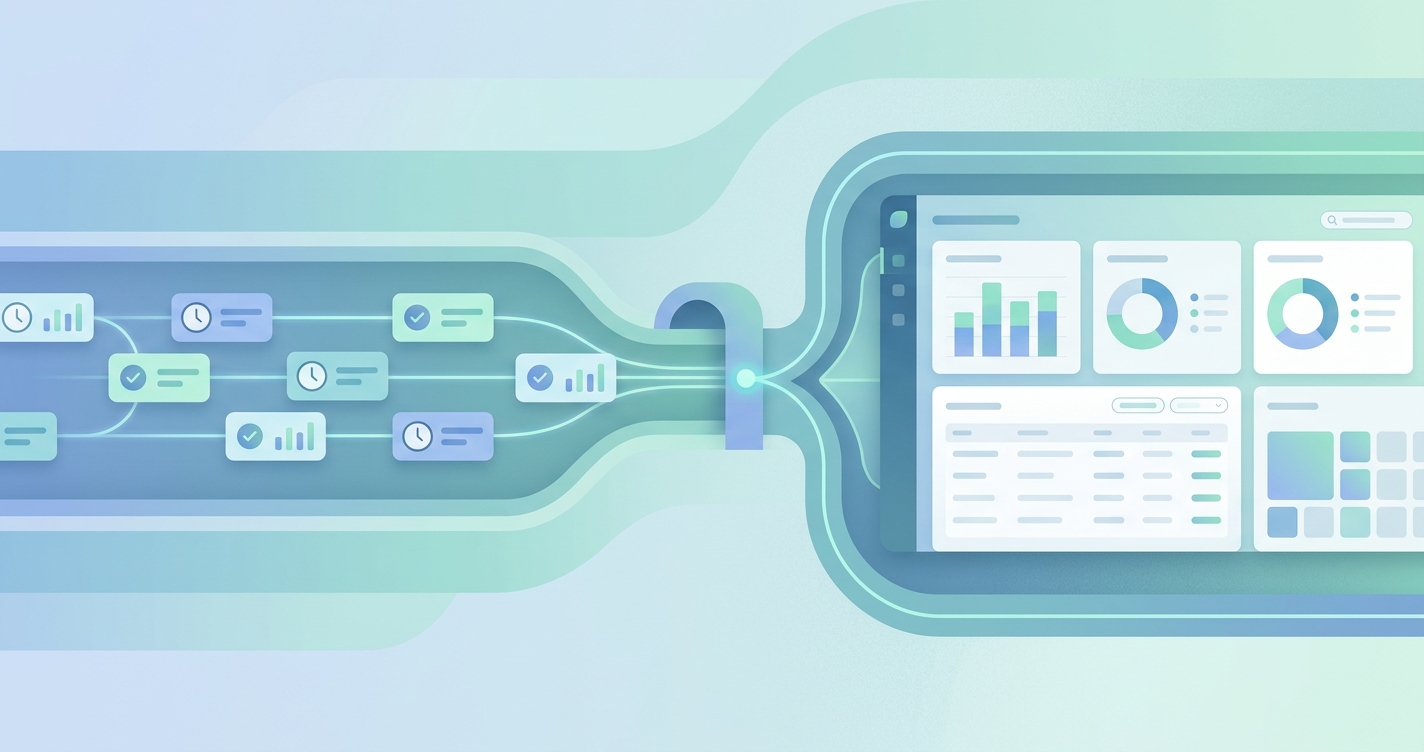
Will my doctor get my home readings fast enough to help me, even on a weekend?
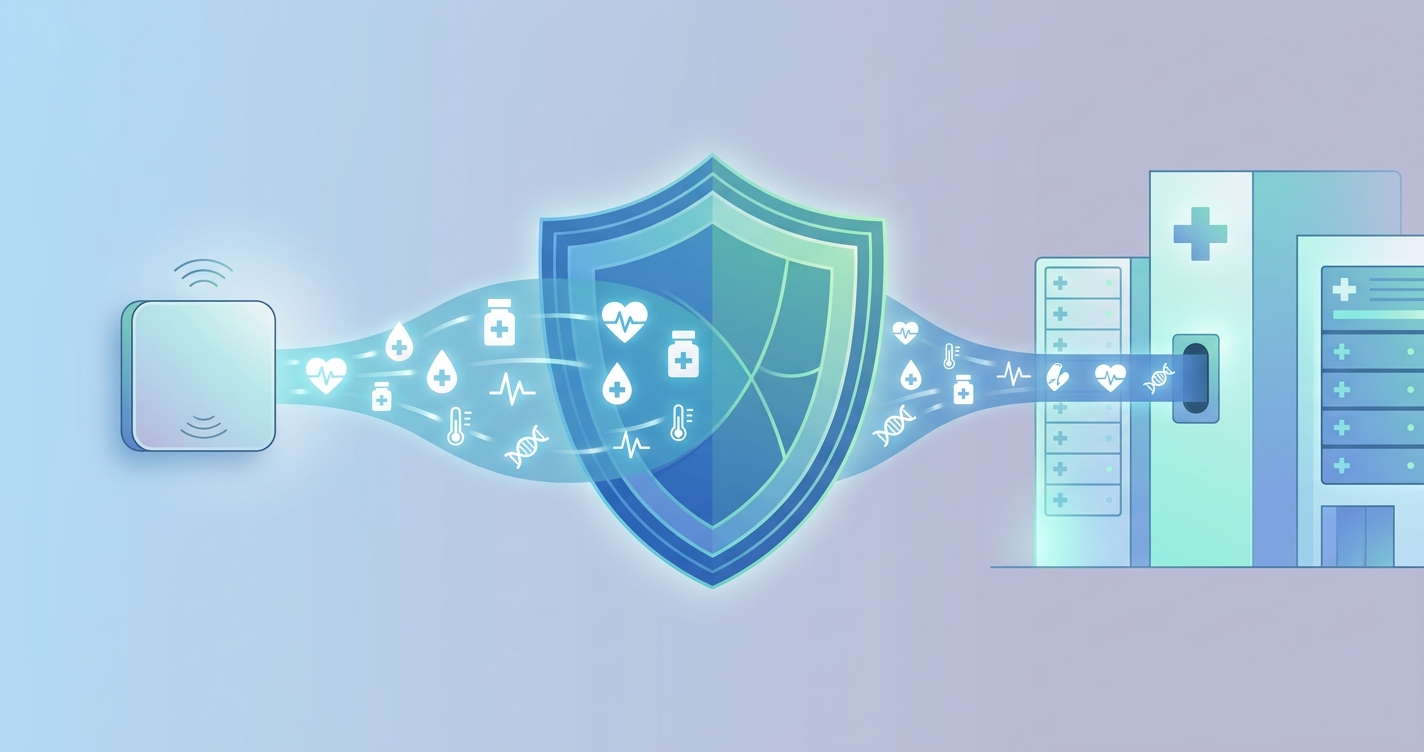
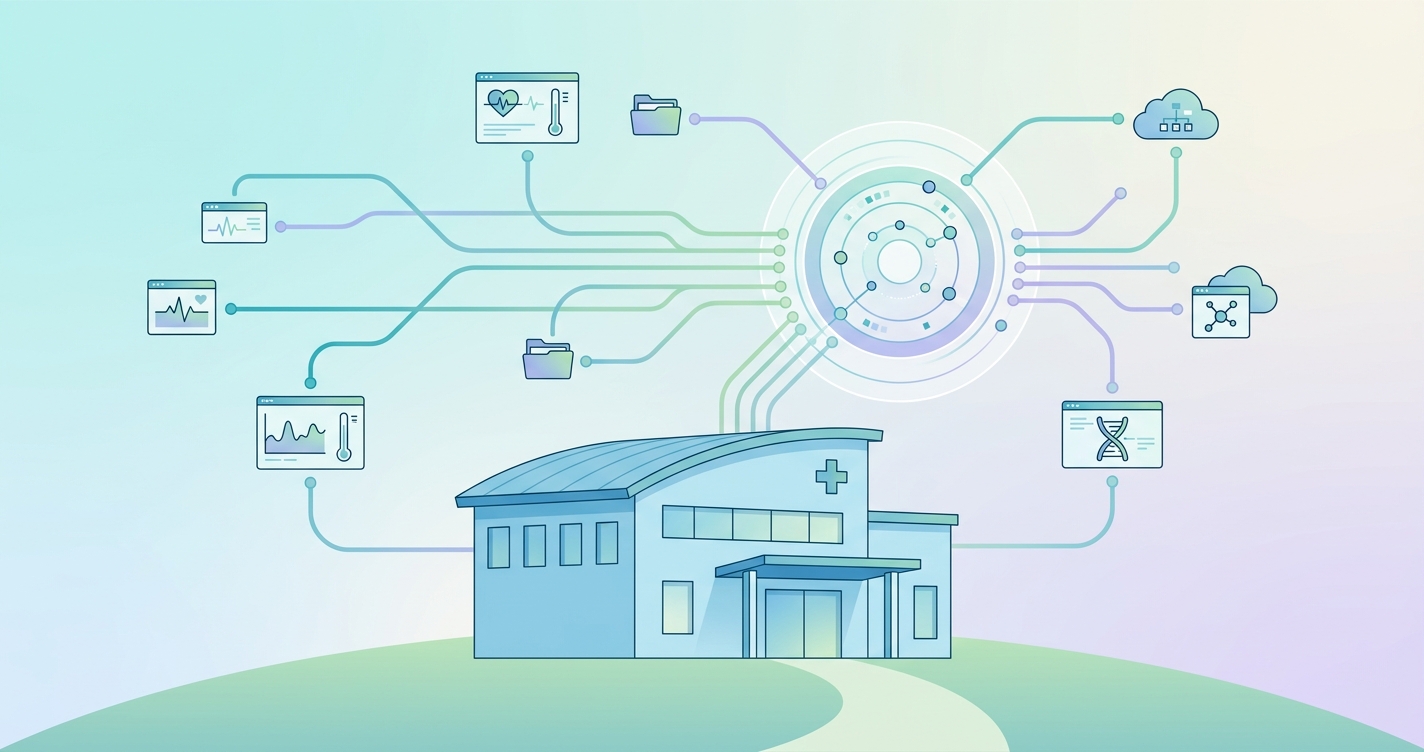
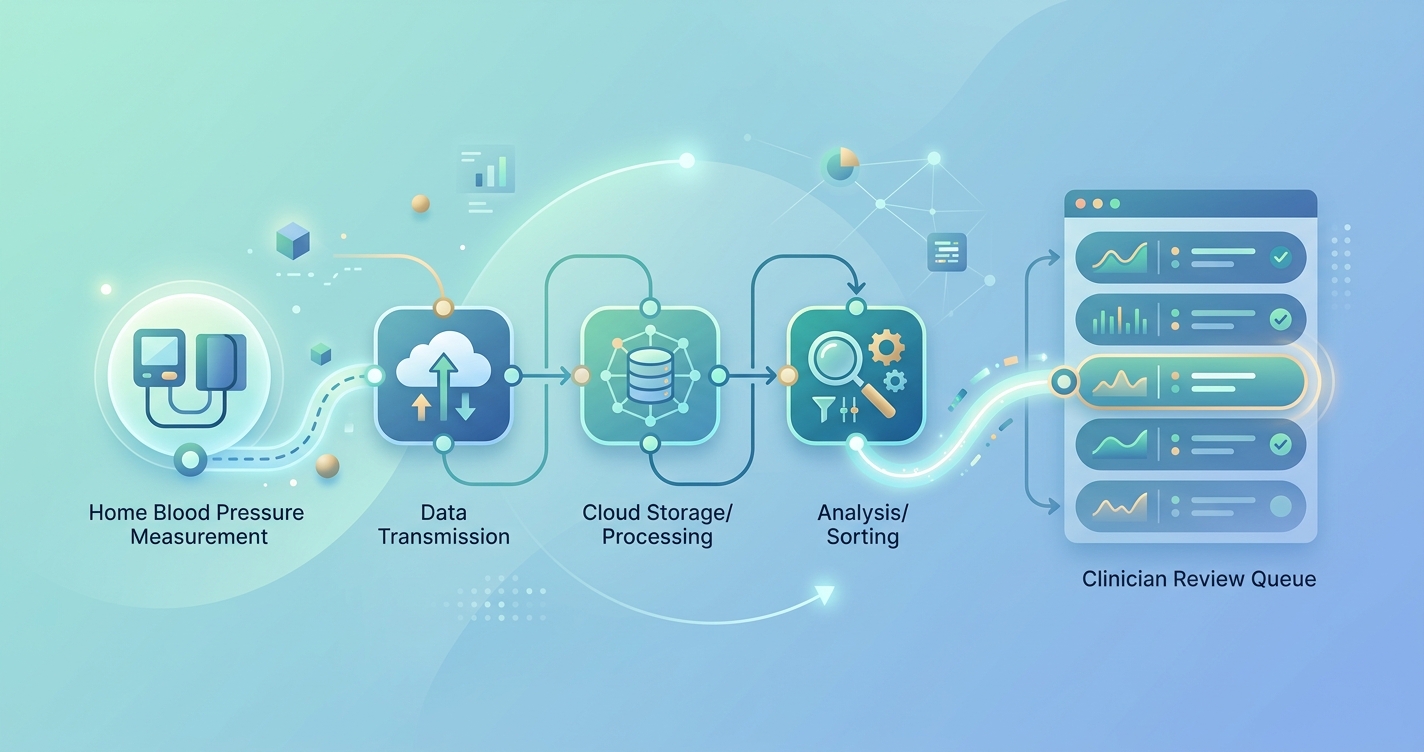
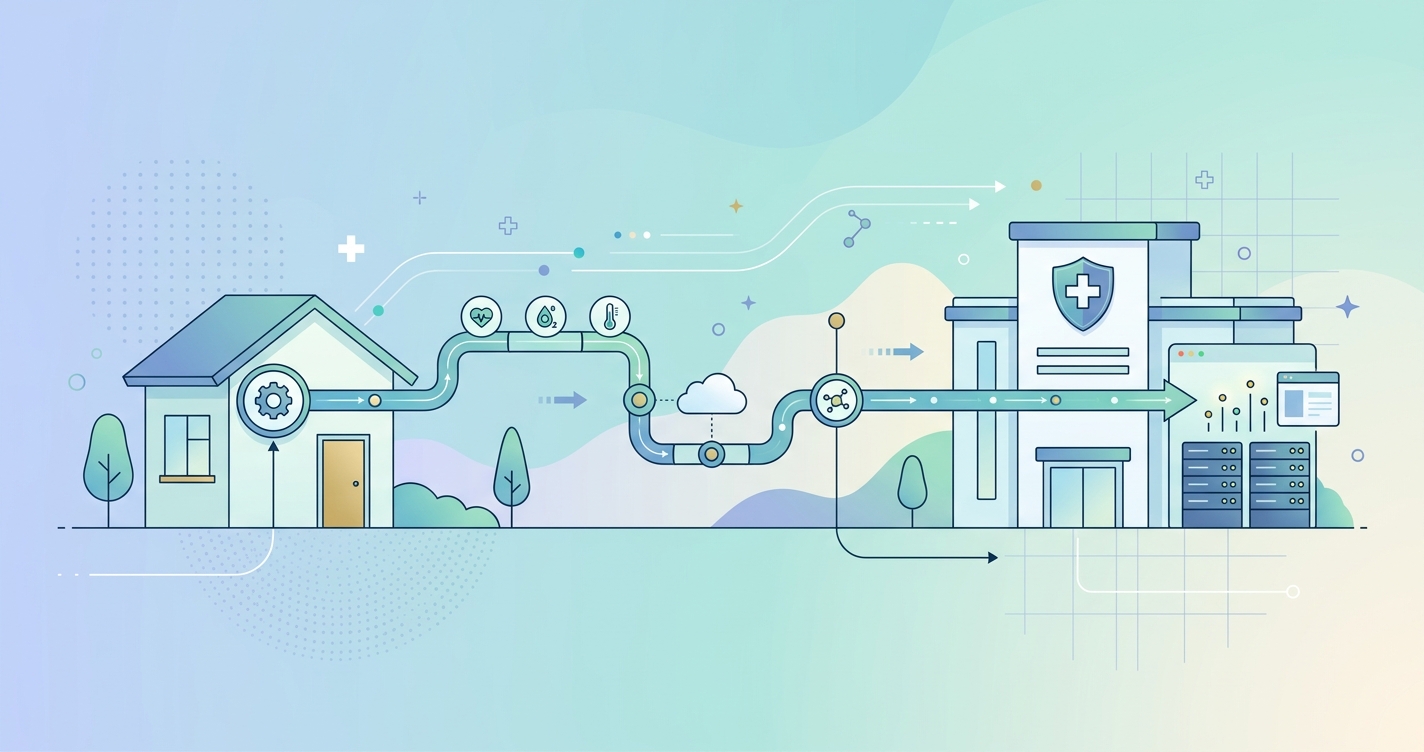
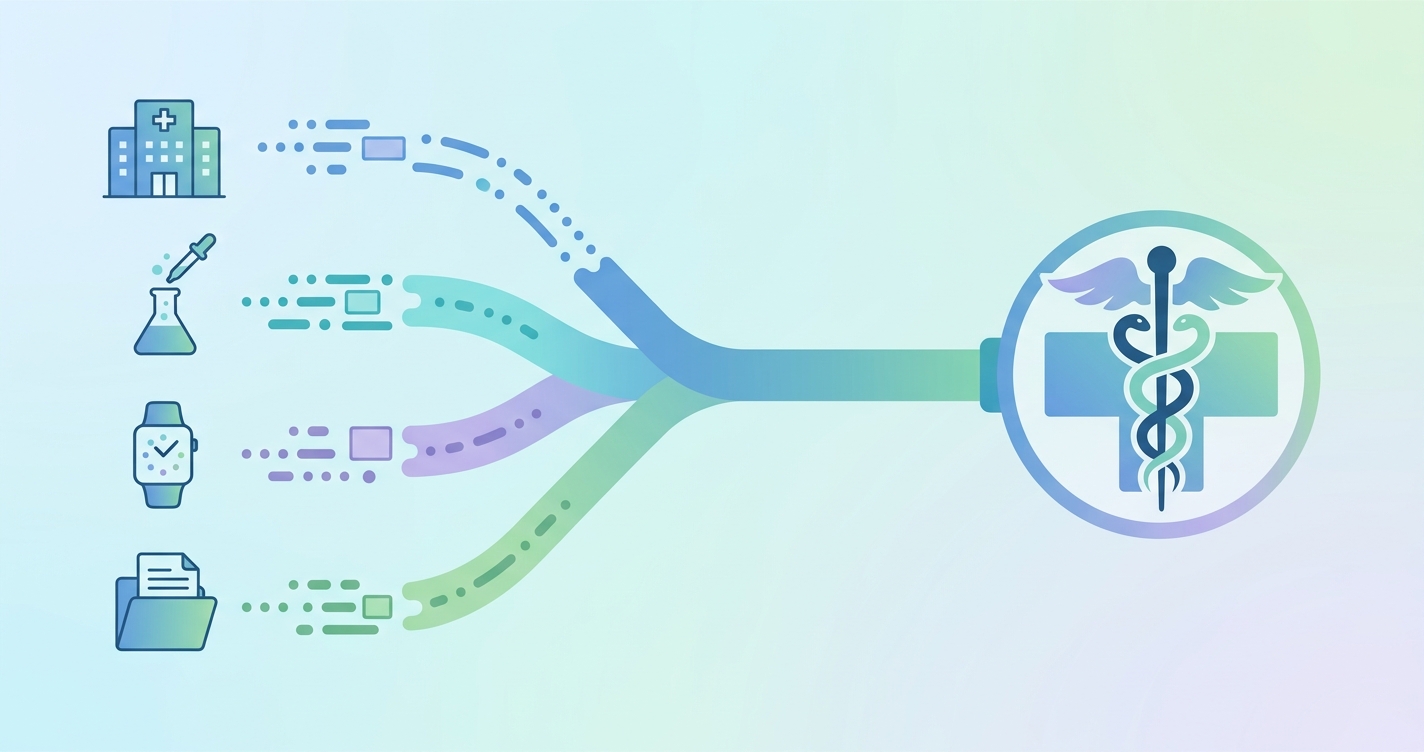
How home vital signs send readings to doctor systems quickly and reliably, with weekend coverage, FHIR data transfer, and the workflow behind timely remote monitoring.
Insights on health technology, vitals monitoring, and wellness from the UseCareScan team.
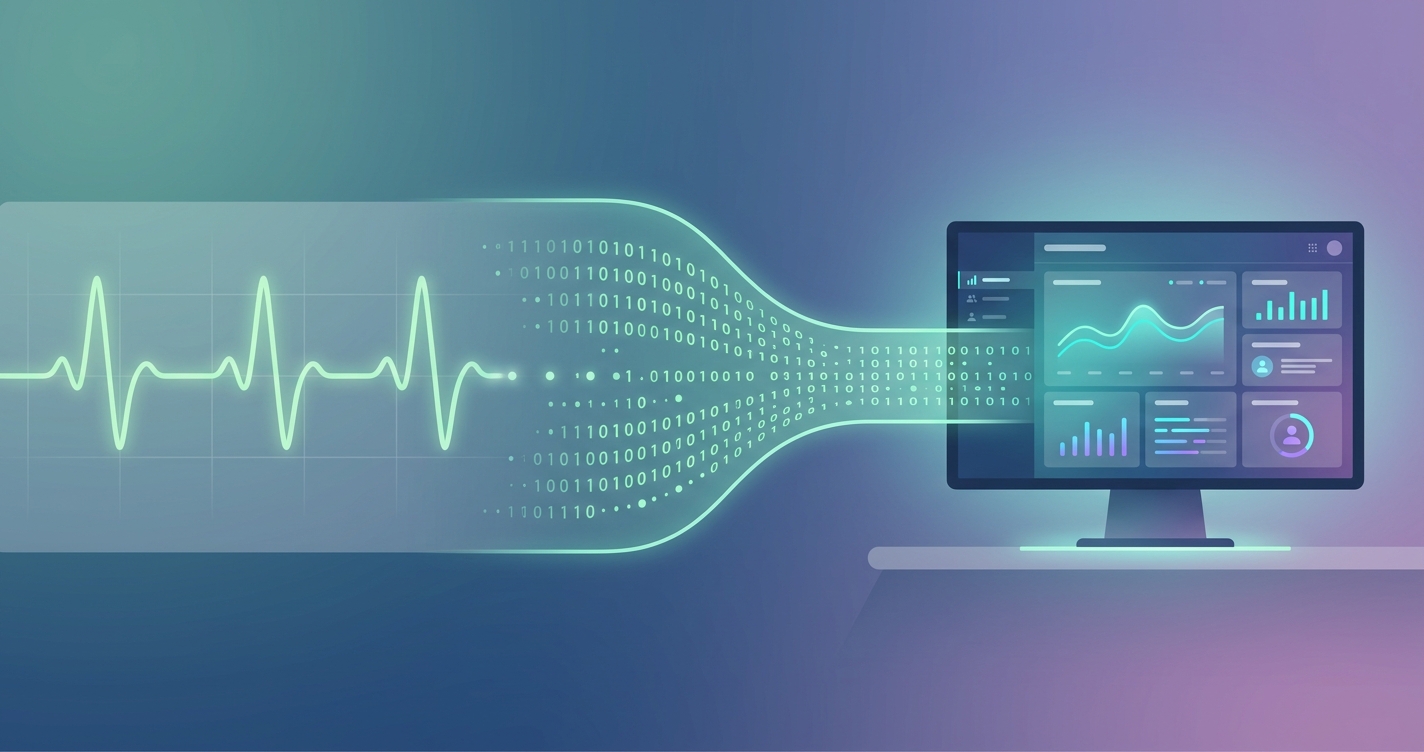
How home vital signs send readings to doctor systems quickly and reliably, with weekend coverage, FHIR data transfer, and the workflow behind timely remote monitoring.

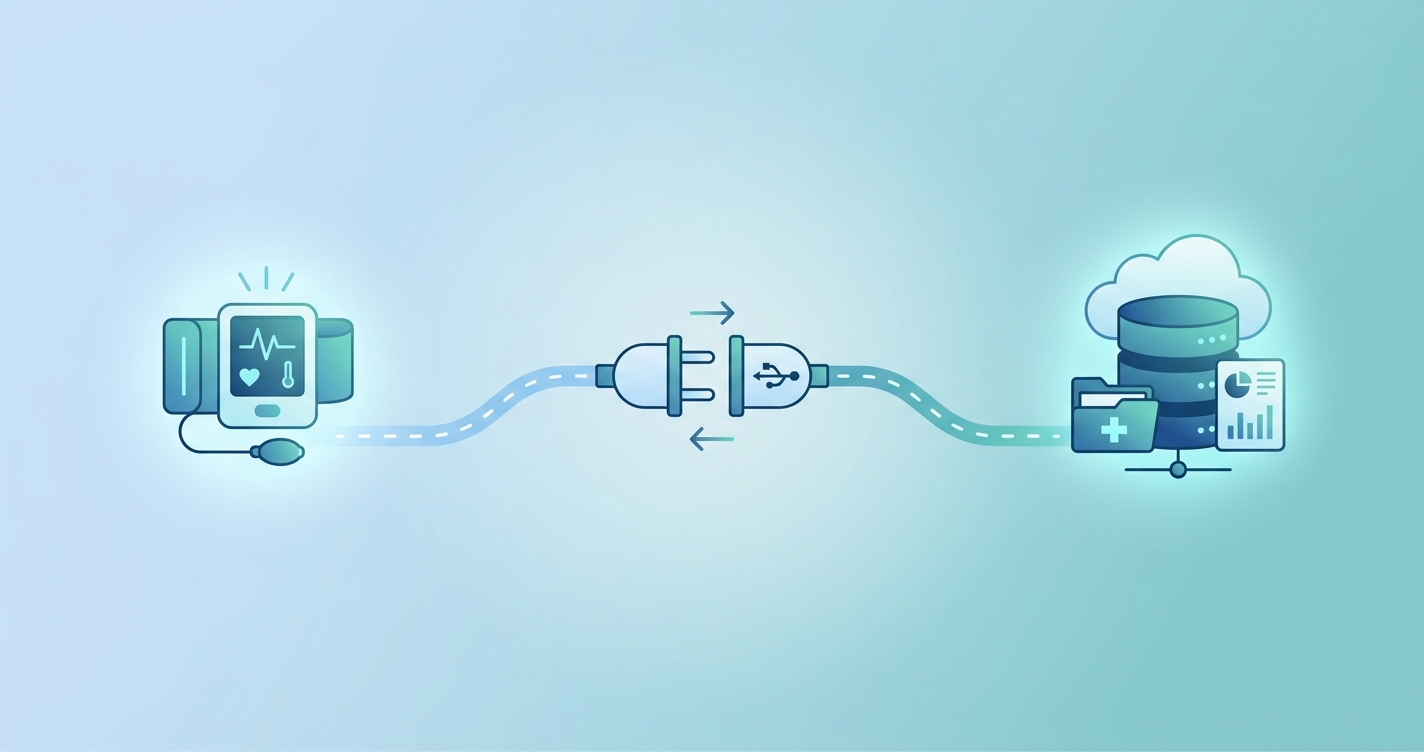
A deep dive into the data sync and reconciliation issues that prevent RPM readings from reaching the EHR, and how modern integration patterns can solve it.

Understand how insurance coverage for home health monitoring works, including Medicare's RPM CPT codes and the documentation required for reimbursement.

For health IT, the challenge of senior remote patient monitoring isn't just data, but adoption. Camera-based, no-device solutions are changing the workflow.

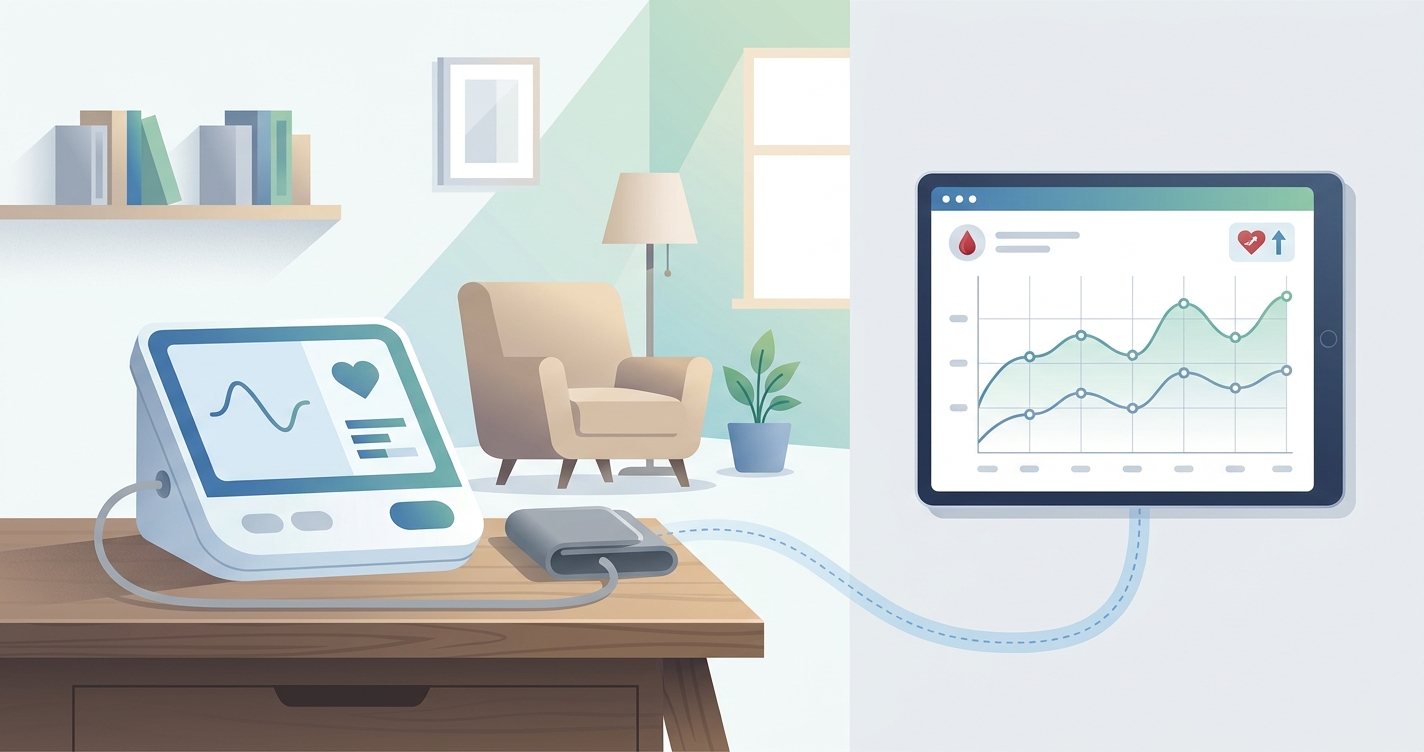
Explore how remote patient monitoring (RPM) allows patients to update their doctors on their health without frequent office visits, focusing on the data integration and workflow.

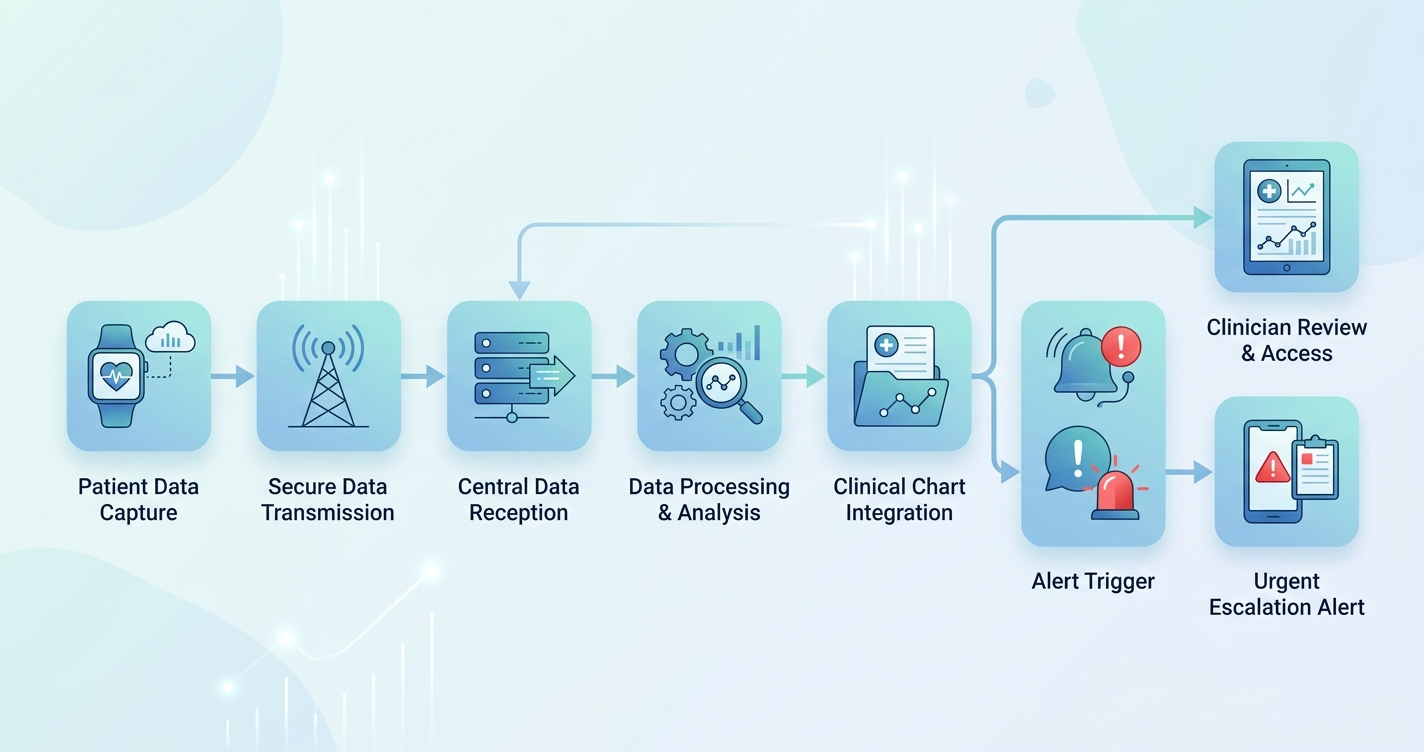
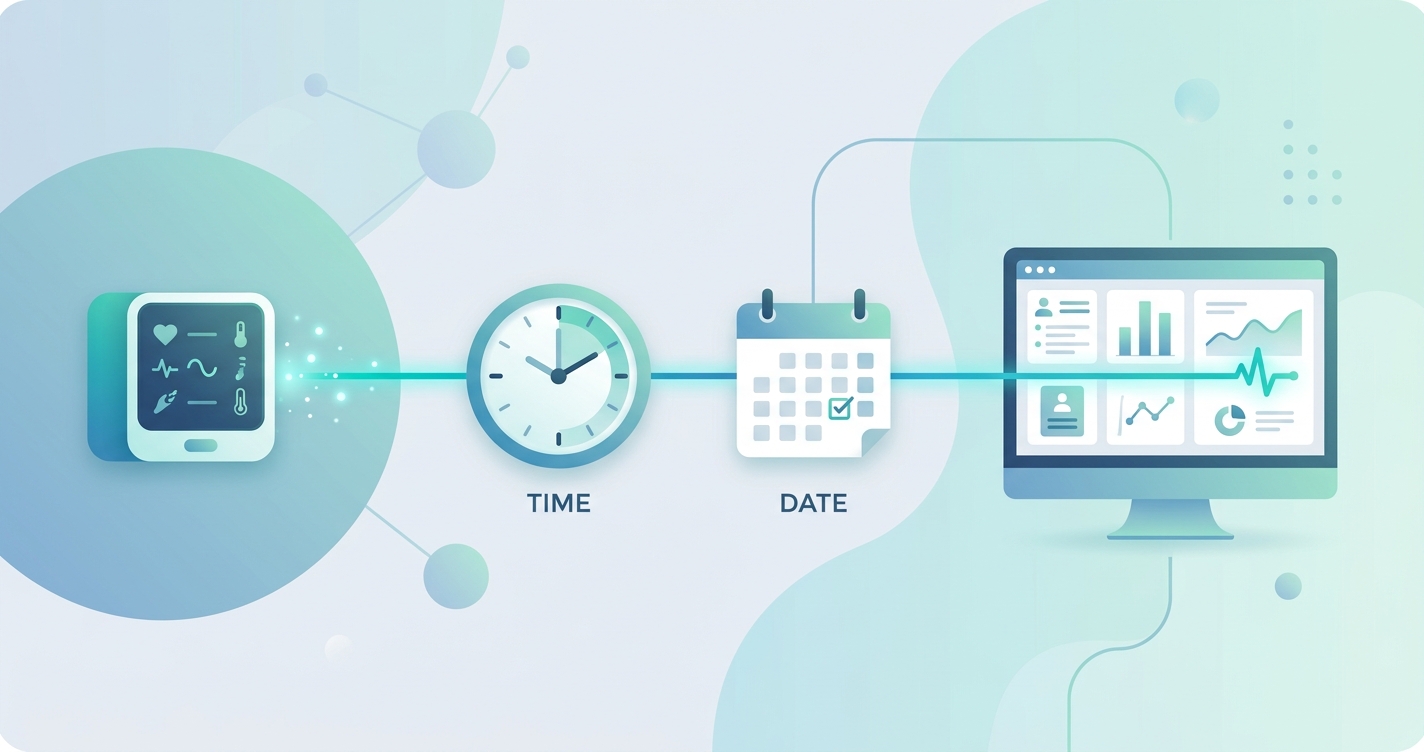
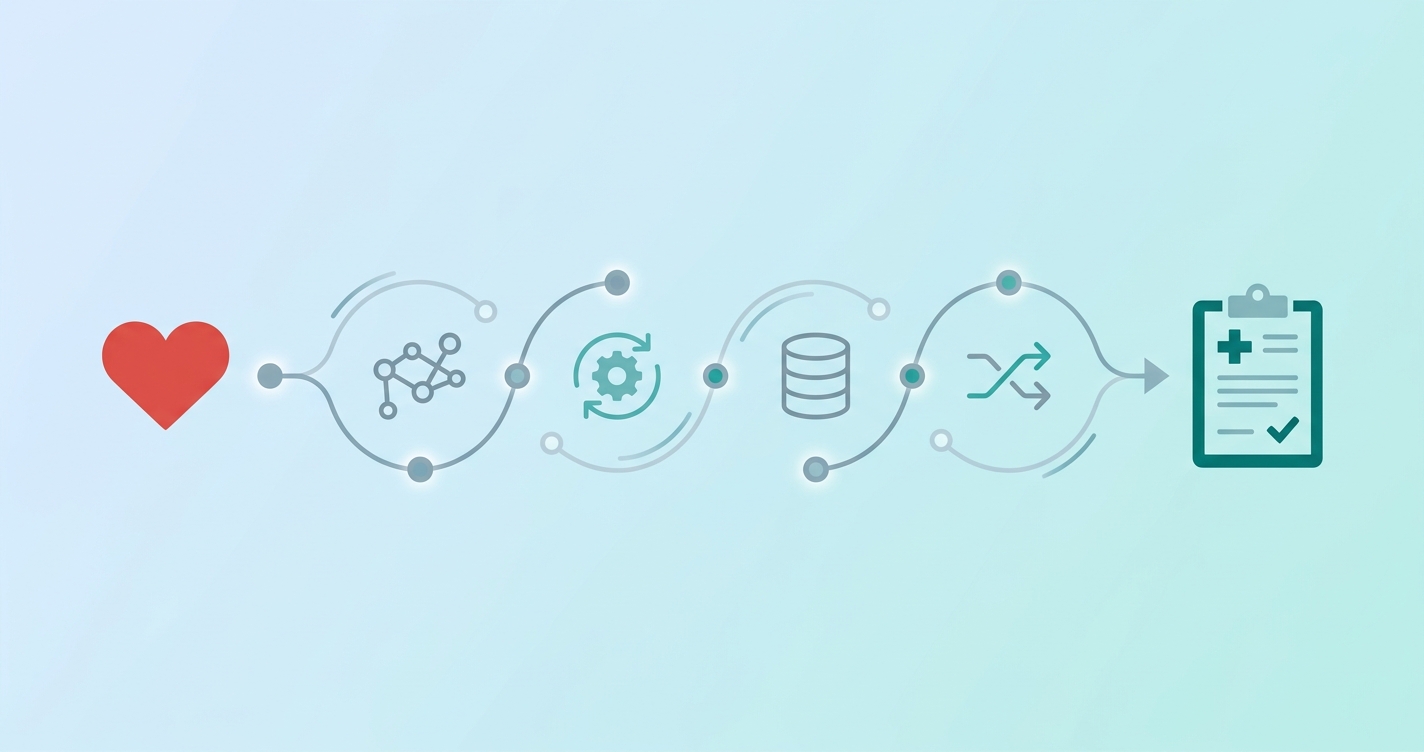
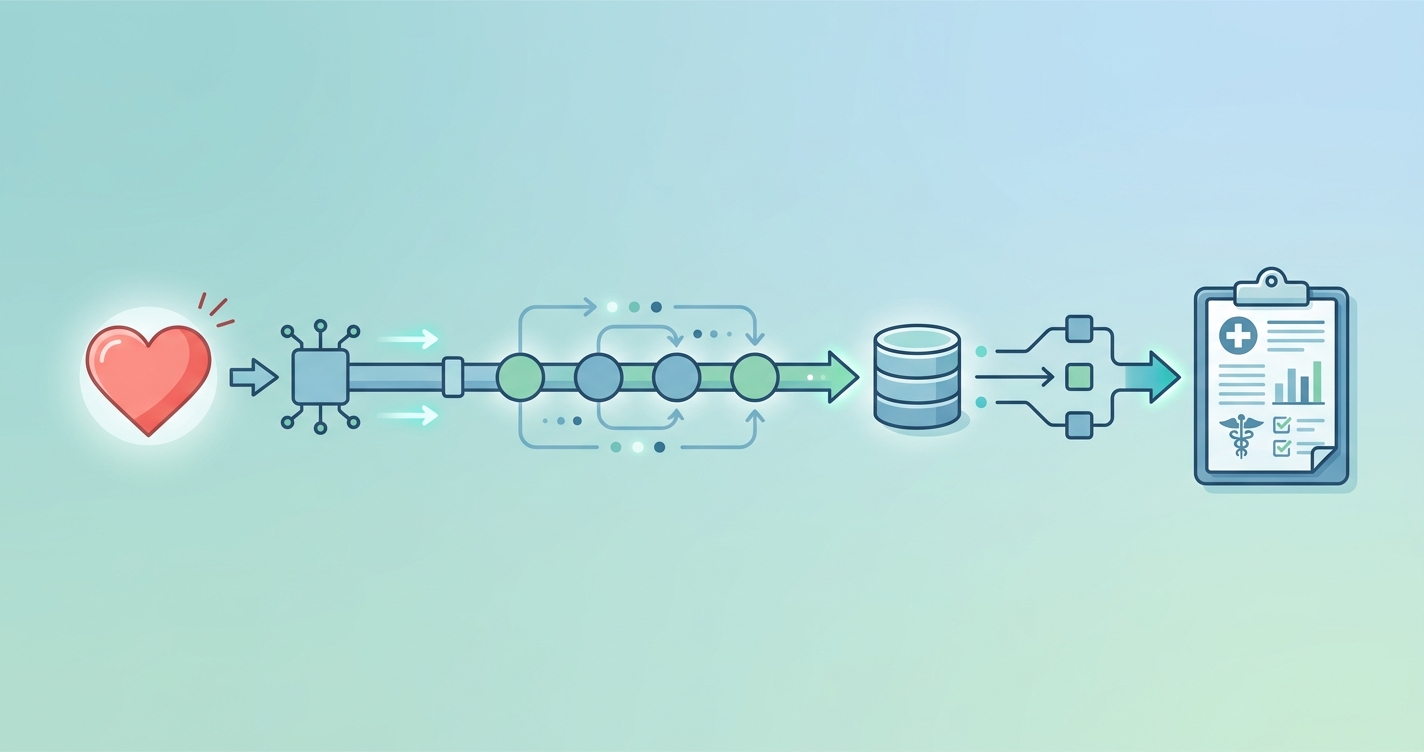
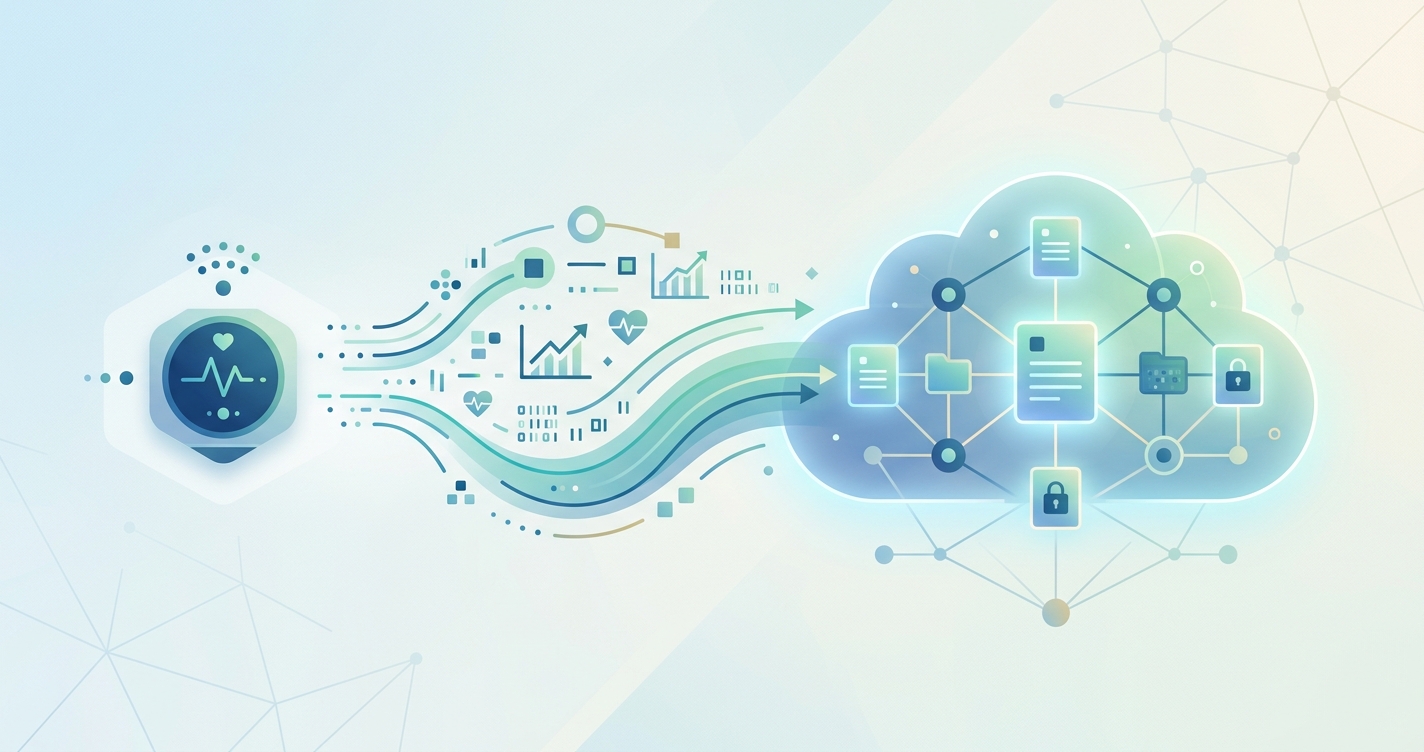
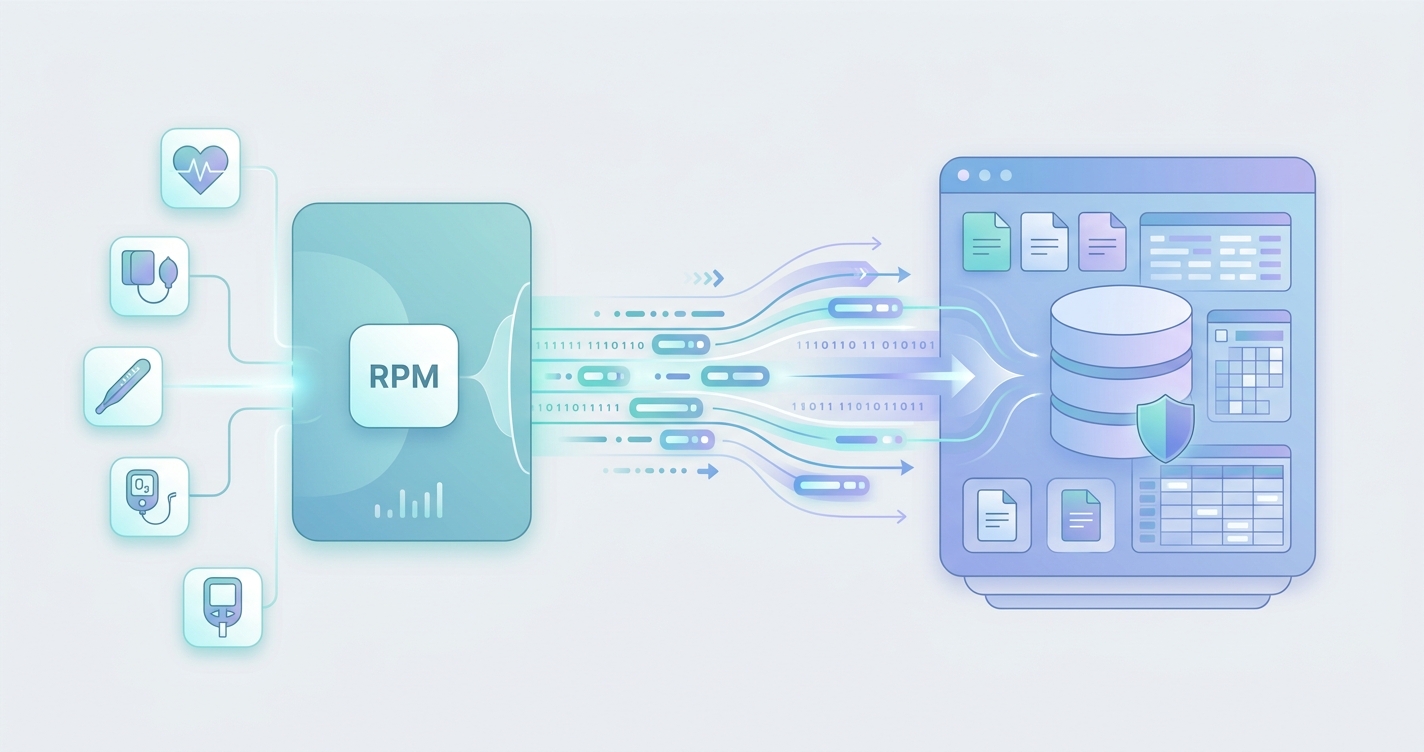
An overview of the RPM data path from patient scan to EHR chart, detailing the technical standards and integration points for health IT and telehealth operations teams.

From a patient's view, an alert from a home monitor can be alarming. We explain the RPM alerting and escalation workflows that determine if a high reading warrants a callback.

Explore the technology behind remote monitoring of vitals without wearables. A deep dive into camera-based heart rate tracking for telehealth and RPM platforms.

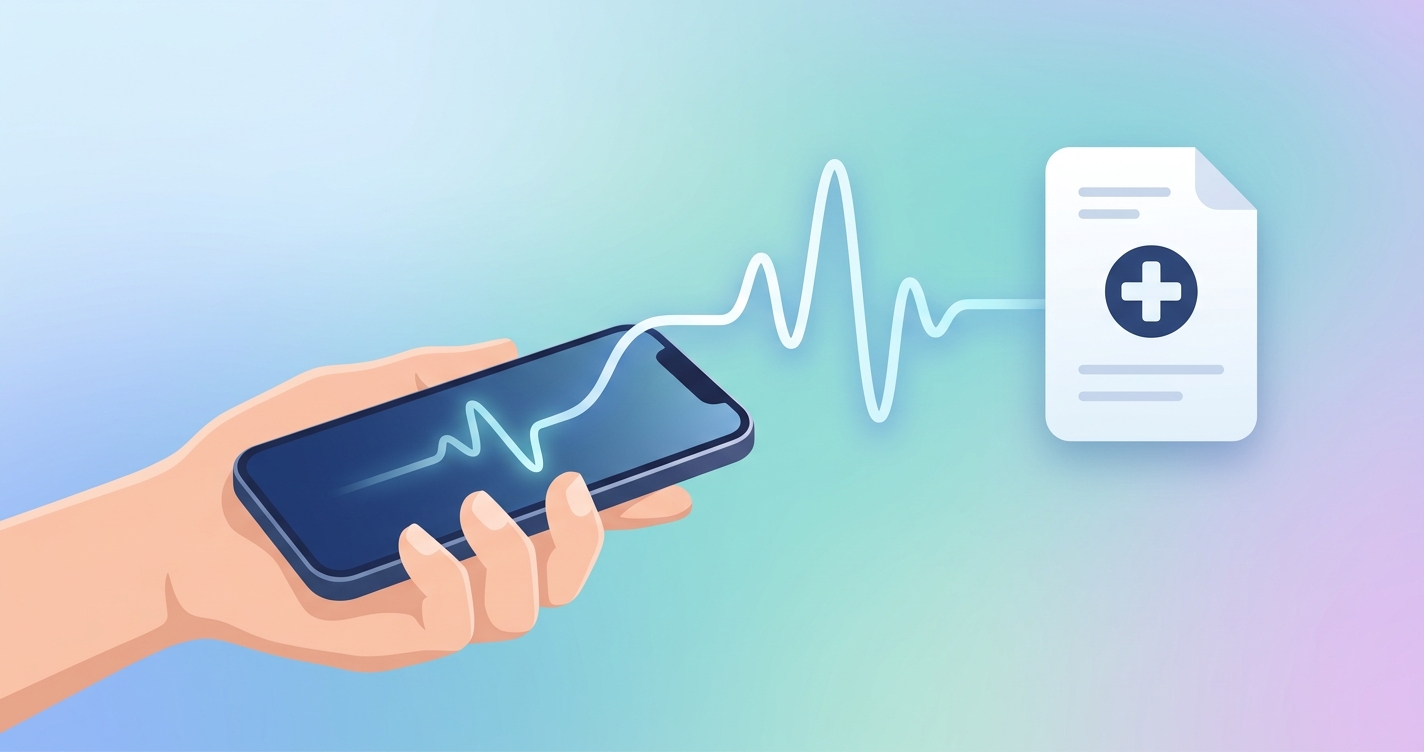
Explore how remote patient monitoring (RPM) technology enables patients to automatically share home vitals with their doctor, streamlining the data flow into the EHR.

A research-style breakdown of the RPM implementation timeline, from strategic planning and vendor selection to EHR integration, staff training, and go-live by 2027.

A look into the operational and clinical shift towards daily home vitals and remote patient monitoring (RPM) and how this data reaches provider dashboards.

A practical checklist for Health IT directors on RPM security and HIPAA compliance, covering data encryption, access controls, and vendor management.

Discover how telehealth platforms are embedding camera-based vitals monitoring using SDKs and APIs, bypassing the need for custom development and complex hardware.

A research-style analysis for Health IT directors on the challenges and solutions for building robust RPM data reconciliation pipelines in complex, multi-vendor environments.

A guide for Health IT on configuring RPM alert fatigue filters in clinical decision support (CDS) systems to reduce clinician burnout and improve patient outcomes.

A research-style report for Health IT directors on the critical RPM data latency benchmarks that impact system performance, clinical decision-making, and patient safety.

A technical comparison for health IT of using Epic Flowsheets vs. FHIR APIs for remote patient monitoring (RPM) data integration, covering workflows and data standards.

Explore how automating CMS RPM billing code documentation within EHR workflows can reduce administrative burdens, improve accuracy, and enhance revenue cycle management for health IT.

A research-style analysis of how the SMART on FHIR standard enables seamless and secure integration of Remote Patient Monitoring (RPM) applications with existing EHR platforms, streamlining clinical workflows.

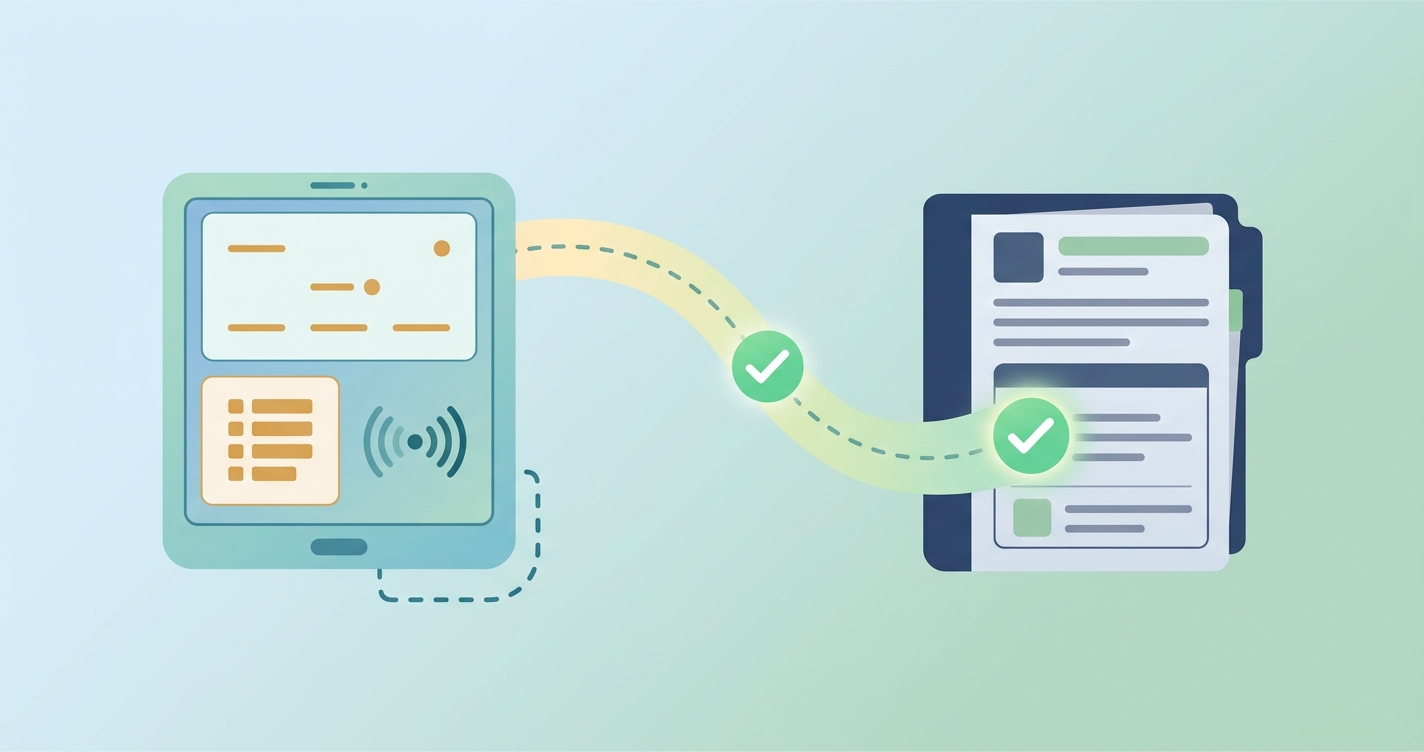
A technical guide for Health IT on how to map RPM vital signs to FHIR Observation resources, including LOINC codes and data model best practices for EHR integration.

A deep dive into the technical and operational models for HIE RPM data exchange, including the role of interoperability standards like HL7 FHIR in connecting remote monitoring data with broader health information networks.

Explore the integration of Remote Patient Monitoring (RPM) and Clinical Decision Support (CDS) to improve patient outcomes, streamline workflows, and enable proactive care.

A developer guide for Health IT directors and EHR integration teams on the primary API integration patterns for remote patient monitoring (RPM) platforms.

A research-style report for Health IT on the frameworks and technologies required to ensure data quality in RPM programs, including data validation, governance, and EHR integration.

Explore how continuous RPM data feeds into population health analytics platforms, enabling proactive chronic disease management and predictive insights for health systems.

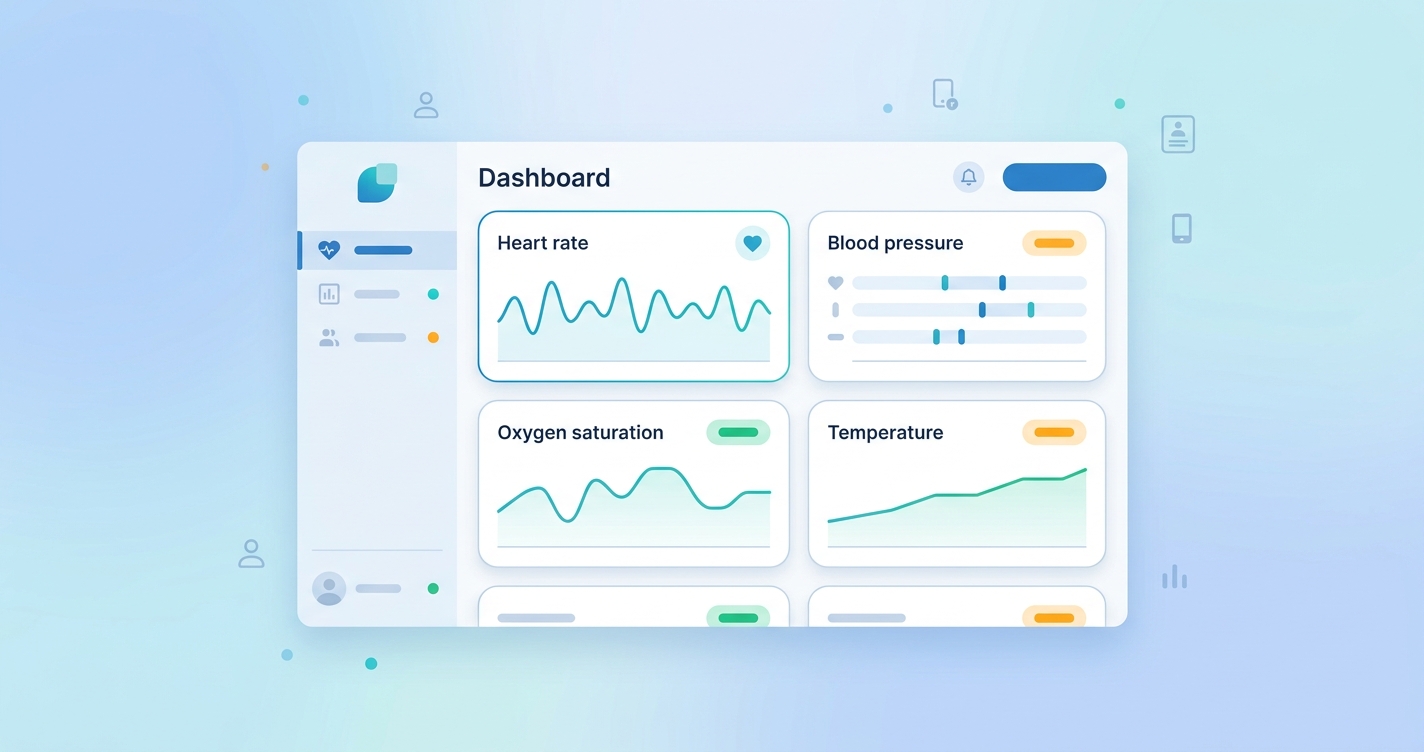
A health IT analysis of how to build a provider dashboard for remote vitals, covering alert design, FHIR workflows, and dashboard architecture for RPM teams.

How to handle RPM data volume at enterprise scale, from alert design and FHIR ingestion to data quality controls for health IT and telehealth operations teams.

An analysis of the RPM technology stack health IT teams evaluate, from devices and data ingestion to FHIR integration, workflow routing, and enterprise governance.

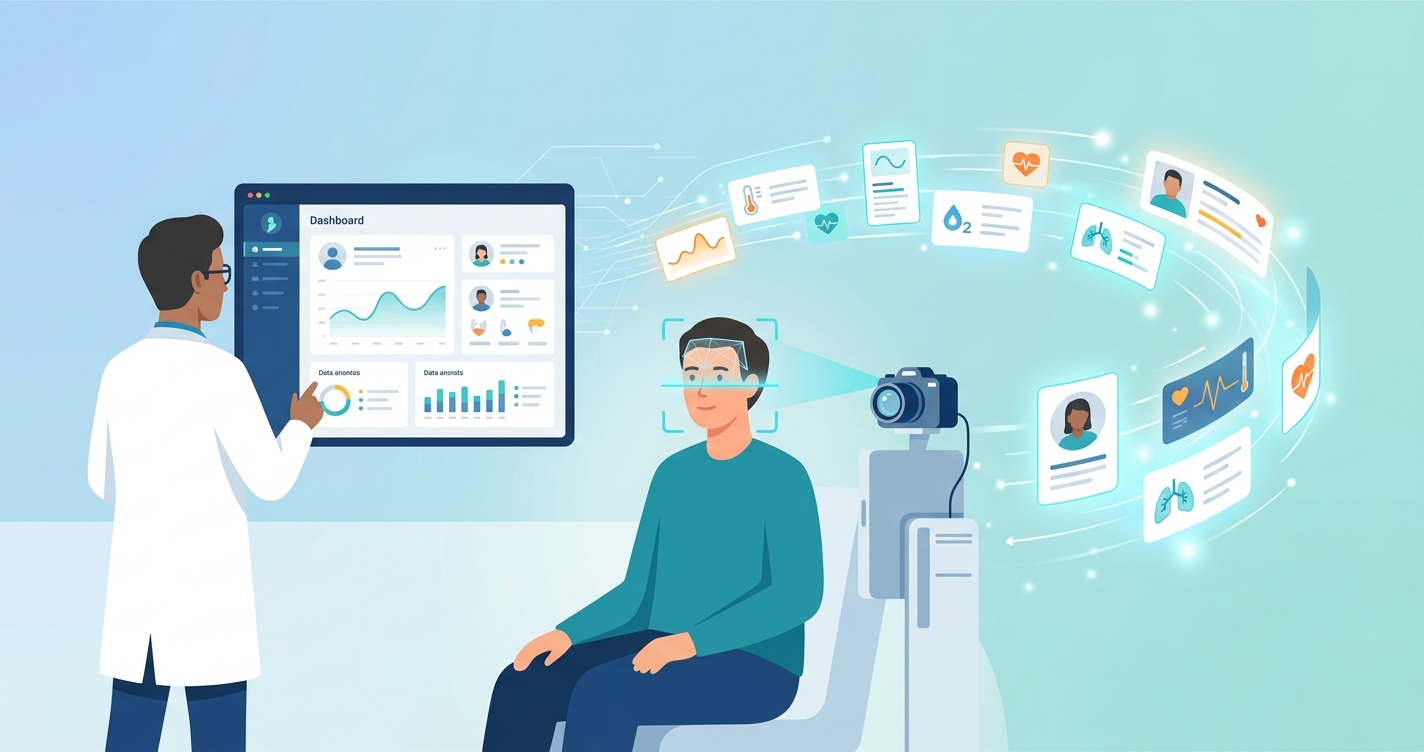
A health IT analysis of how teams connect camera vitals to care management platforms, covering workflow design, interoperability, and evidence on contactless monitoring.

An architecture analysis of how telehealth platforms add vitals to virtual visits, examining data flow models, clinical workflow integration, and the evidence base for vitals-enriched telehealth encounters.

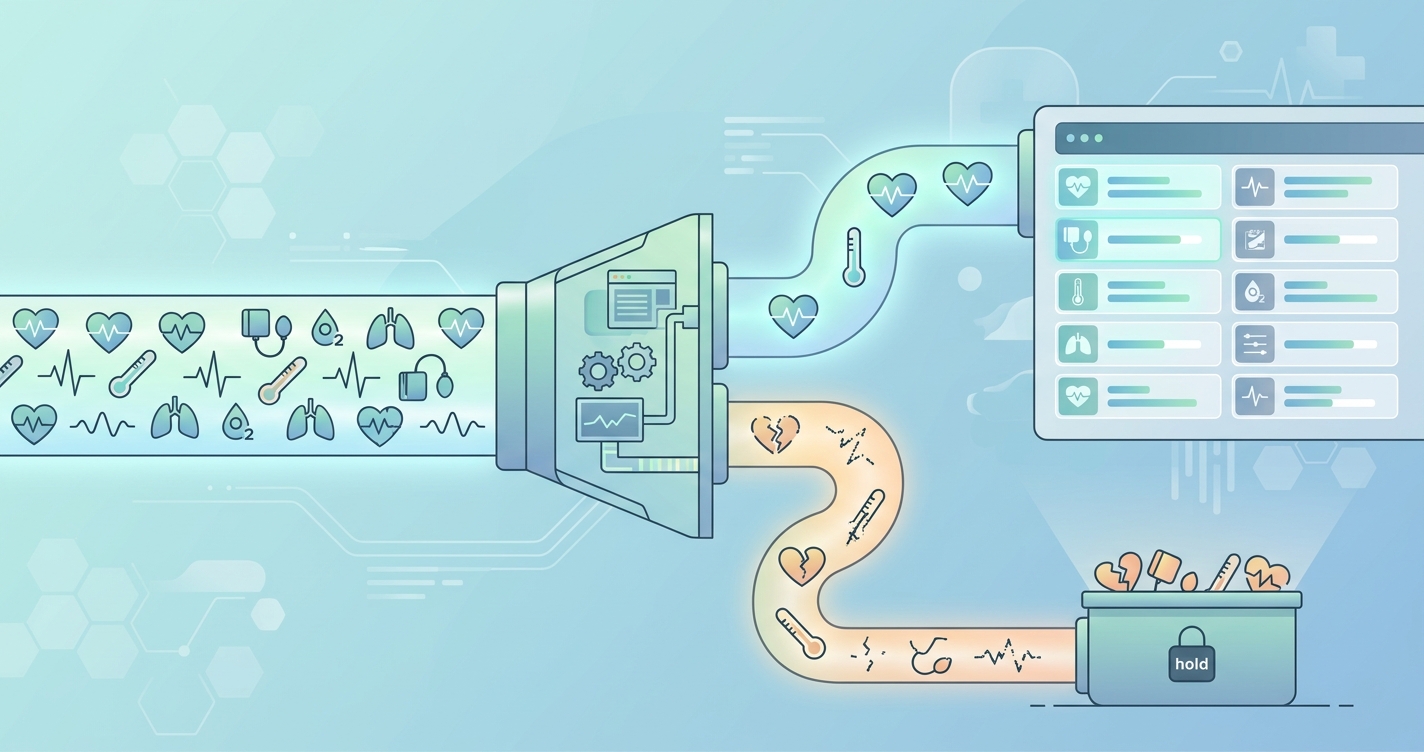
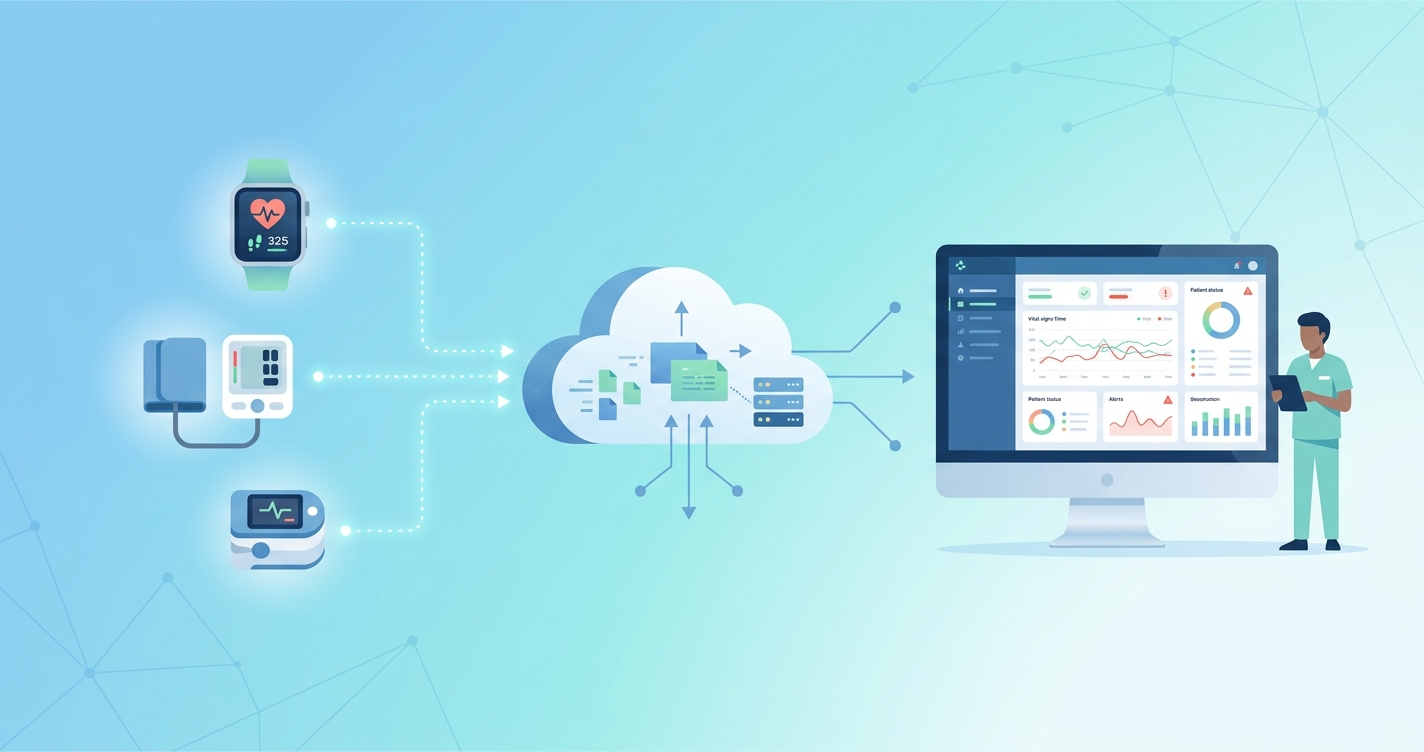
An end-to-end architecture analysis of the RPM data workflow from patient scan to provider dashboard, examining pipeline stages, latency optimization, and clinical presentation patterns for health IT teams.

A comprehensive analysis of interoperability standards for remote monitoring data, covering HL7 FHIR, IEEE 11073, IHE profiles, and emerging frameworks that health IT teams must evaluate for RPM implementations.

An architecture-level analysis of how health systems integrate RPM data into Epic and Cerner EHR platforms, covering interoperability standards, data flow models, and clinical workflow implications.

A technical architecture analysis of HL7 FHIR in remote patient monitoring implementations, covering resource models, implementation guides, and interoperability patterns for health IT teams.

An architecture-level analysis of how to build RPM alerting and escalation rules, examining threshold design, tiered escalation models, and the evidence base for alert-driven remote monitoring workflows.