Will my insurance cover monitoring my health from home?
Understand how insurance coverage for home health monitoring works, including Medicare's RPM CPT codes and the documentation required for reimbursement.
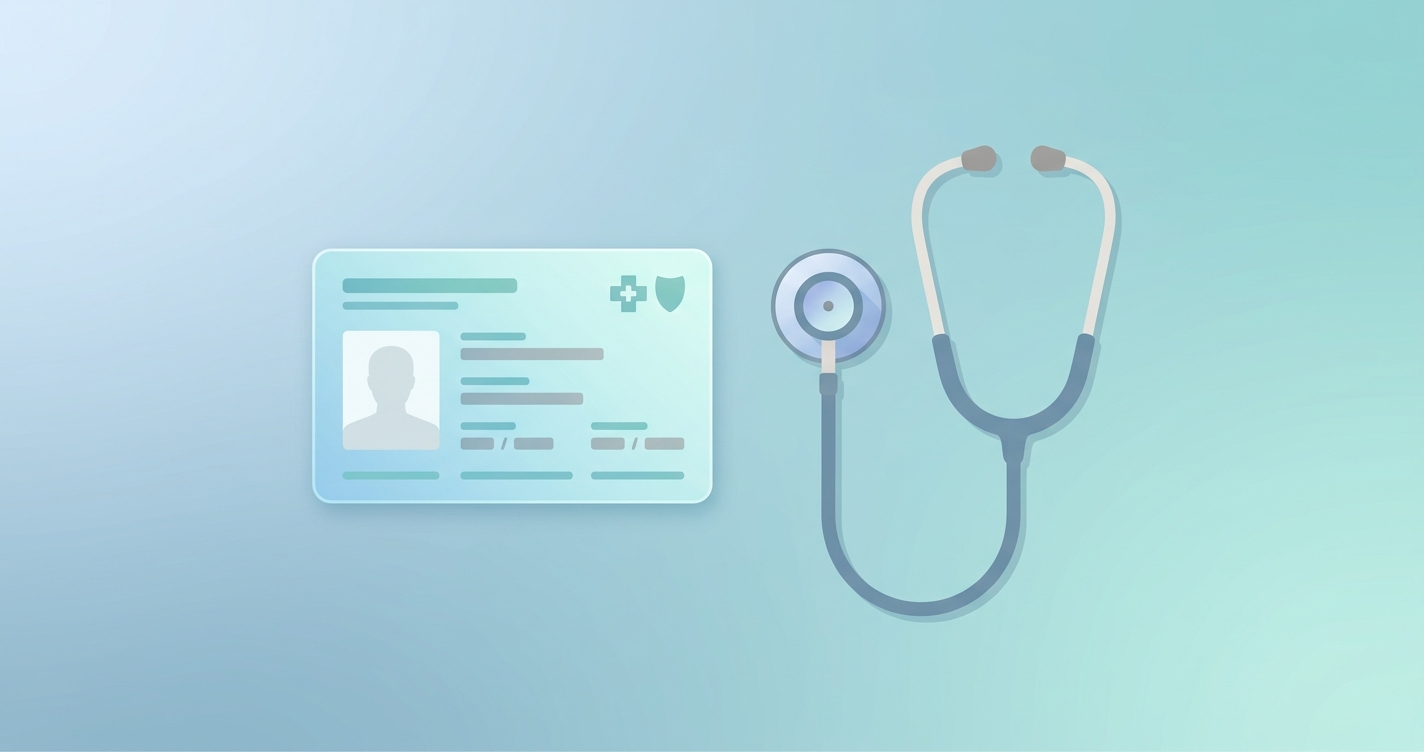
The expansion of healthcare services beyond hospital walls is accelerating, with more patients participating in programs that monitor their health from home. This shift offers convenience and more continuous insight into chronic conditions. Yet, for many, a practical question looms large: "Will my insurance cover monitoring my health from home?" The answer is increasingly yes, but it depends on the specifics of your insurance plan and the monitoring program your provider recommends. Understanding the framework, particularly the standards set by the Centers for Medicare & Medicaid Services (CMS), is key to clarifying the cost and coverage for these advanced services.
"The number of US patients using remote patient monitoring (RPM) services is projected to reach 71 million by 2025, a significant increase that highlights a major shift in care delivery models."
Understanding insurance cover for home health monitoring
When evaluating insurance cover for home health monitoring, the policies of the Centers for Medicare & Medicaid Services (CMS) serve as a crucial benchmark. Private insurance payers often align their coverage policies with the precedents set by Medicare. For remote patient monitoring (RPM), CMS has established specific Current Procedural Terminology (CPT) codes that allow healthcare providers to bill for the services associated with monitoring patient data from afar.
For a patient to be eligible for RPM services under Medicare, they must typically have a chronic condition. The monitoring must be ordered by a physician or other qualified healthcare professional. The technology used must be a medical device as defined by the FDA, capable of automatically transmitting physiological data (like blood pressure, weight, or blood glucose levels) to the provider. This is a key distinction from wellness trackers, as the system must ensure a reliable and secure flow of data for clinical review.
Cms remote patient monitoring (rpm) billing codes explained
The billing structure for RPM is based on a set of codes that account for the initial setup, the supply of the device, and the time clinicians spend reviewing the data and interacting with the patient. From a patient's perspective, these codes represent the specific, billable services that your insurance is being asked to cover.
| CPT Code | Description | What It Means for Patients |
|---|---|---|
| 99453 | Remote monitoring of physiologic parameter(s) (e.g., weight, blood pressure, pulse oximetry), initial; set-up and patient education on use of equipment. | This is a one-time code for getting you started. It covers the cost of the device and the time spent teaching you how to use it. |
| 99454 | Remote monitoring of physiologic parameter(s), initial; device(s) supply with daily recording(s) or programmed alert(s) transmission, each 30 days. | This code covers the ongoing service of the device and the daily data transmission. It requires at least 16 days of data to be transmitted in a 30-day period. |
| 99457 | Remote physiologic monitoring treatment management services, clinical staff/physician/other qualified health care professional time in a calendar month requiring interactive communication with the patient/caregiver during the month; first 20 minutes. | This covers the first 20 minutes your clinical care team spends each month reviewing your data, managing your care plan, and communicating with you about it. |
| 99458 | Remote physiologic monitoring treatment management services, clinical staff/physician/other qualified health care professional time in a calendar month requiring interactive communication with the patient/caregiver during the month; each additional 20 minutes. | For patients requiring more intensive management, this code is used for each additional 20-minute block of time your care team dedicates to your monitoring. |
How health systems document and bill for home monitoring
The effective implementation of an RPM program hinges on the backend technology and workflows that capture the data necessary for both clinical care and reimbursement. For health IT directors and telehealth operations teams, ensuring the system can document these activities is critical for the program's financial viability.
Data transmission and EHR integration
The requirement for CPT code 99454 - that data be transmitted for at least 16 days a month - necessitates a robust data pipeline. The RPM platform must Receive data from the patient's device. Log these transmissions in an auditable way. This data must then be integrated into the electronic health record (EHR), often using interoperability standards like HL7 FHIR, to become part of the patient's official medical record. This integration allows clinicians to view RPM data within their existing workflows.
Time-tracking for treatment management
For billing codes 99457 and 99458, accurate time tracking is non-negotiable. The system of record must be able to log the cumulative time clinical staff spend on monitoring activities for each patient. This includes:
- Reviewing and analyzing the transmitted physiological data.
- Communicating with the patient or caregiver via phone, video, or secure messaging.
- Making adjustments to the patient's care plan based on the data.
This documentation is what substantiates the billing claims and is essential for compliance during an audit. Manually tracking this across a large patient population is inefficient and prone to error, which is why automated logging within the RPM or EHR platform is a core requirement for scaling these programs.
Current research and evidence
The push for broader insurance cover for home health monitoring is supported by a growing body of evidence demonstrating its effectiveness. Multiple systematic reviews published in 2023 confirmed that RPM programs are associated with significant reductions in hospital readmissions and emergency department visits, particularly for individuals with chronic conditions like heart failure, hypertension, and COPD.
Researchers have found that engaged RPM patients show higher rates of adherence to their care plans. The consistent flow of data allows for earlier interventions, preventing minor issues from becoming acute episodes requiring hospitalization. This Improves patient outcomes and satisfaction. Generates significant cost savings for the healthcare system, a key factor driving wider adoption among private payers.
The future of home health monitoring and reimbursement
The trend is moving toward broader acceptance and integration of remote monitoring. While Medicare has led the way, many state Medicaid programs and commercial insurers are expanding their coverage, recognizing the long-term value. The future will likely involve more sophisticated monitoring technologies and the use of artificial intelligence to help clinicians prioritize patients who need immediate attention. As these systems become more integrated with core healthcare platforms, the processes for documenting and billing for these services will become more automated, making it easier for providers to offer these programs and for patients to get them covered.
Frequently asked questions
Do I need to buy special equipment for home monitoring?
- Generally, no. The healthcare provider who enrolls you in an RPM program will typically provide the necessary and pre-configured medical monitoring devices (like a blood pressure cuff or a scale) as part of the service covered by CPT code 99453.
Does private insurance cover home health monitoring like Medicare does?
- It varies by plan, but many private insurance companies are following Medicare's lead and offering coverage for RPM services. It is always best to contact your insurance provider directly to confirm the details of your specific plan.
How is the 20 minutes of monthly care management time tracked?
- Your provider's clinical team logs all time spent reviewing your data and communicating with you. This is documented in your medical record. Modern telehealth platforms often automate this time-tracking to ensure accuracy for billing under CPT codes 99457 and 99458.
The operational backbone of any successful remote monitoring program is its ability to seamlessly integrate with clinical workflows and billing systems. As health systems scale these initiatives, the focus shifts to the underlying technology that makes reliable data capture and automated documentation possible. Circadify specializes in providing the EHR-integrated data infrastructure that enables health IT teams to build and scale efficient, compliant, and clinically effective telehealth and RPM programs. To learn more about our HL7 FHIR-compatible solutions, visit our telehealth solutions page at circadify.com/solutions/telehealth.